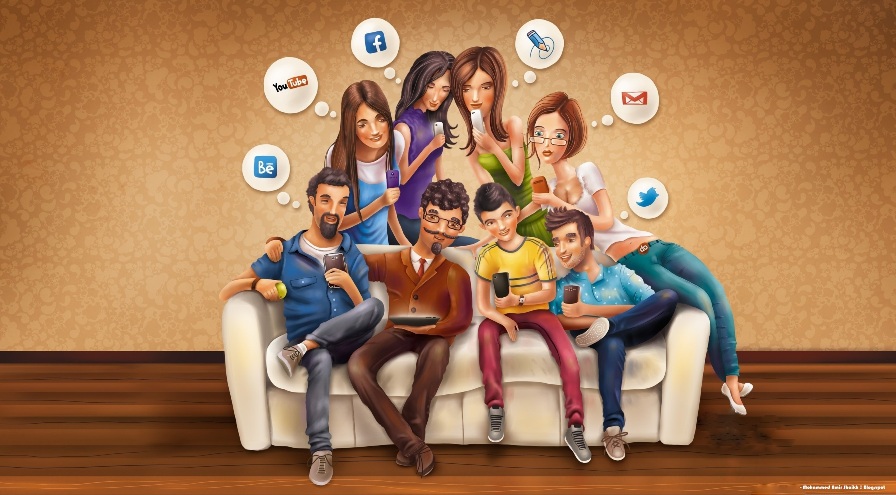
In the 21st century, technology and social media have become ubiquitous elements of daily life, profoundly impacting human behavior in various ways. From communication patterns to social interactions and even cognitive processes, the effects of these technological advancements are far-reaching and complex. This article delves into the intricate relationship between technology, social media, and human behavior, exploring both the positive and negative ramifications.
1. The Rise of Social Media Platforms
Social media platforms such as Facebook, Twitter, Instagram, and Snapchat have revolutionized the way humans connect and communicate. These platforms offer avenues for instant communication, sharing of experiences, and forming virtual communities. However, the constant exposure to curated images and idealized lifestyles can lead to feelings of inadequacy and low self-esteem, particularly among young users.
2. Impact on Social Interactions
Technology and social media have altered the dynamics of social interactions. While they facilitate connectivity across vast distances, they can also diminish face-to-face interactions. The prevalence of smartphones and tablets has led to a decline in in-person communication, with individuals often opting for digital interactions over real-life conversations. This shift can hinder the development of interpersonal skills and emotional intelligence.
3. Influence on Cognitive Processes
The instant gratification provided by technology and social media has reshaped human cognitive processes. The constant influx of information and stimuli can lead to shortened attention spans and reduced ability to concentrate. Moreover, the addictive nature of social media platforms, characterized by likes, comments, and notifications, can contribute to compulsive behavior and distractibility.
4. Effects on Mental Health
The relationship between technology, social media, and mental health is a topic of growing concern. While these platforms offer avenues for social support and connectivity, they can also exacerbate feelings of loneliness, anxiety, and depression. The pressure to present a polished online persona and the fear of missing out (FOMO) can contribute to feelings of inadequacy and social isolation.
5. Influence on Identity Formation
Technology and social media play a significant role in shaping individual identities and self-perceptions. The curated nature of online profiles allows users to present idealized versions of themselves, often leading to a discrepancy between virtual and real-world identities. This phenomenon can impact self-esteem and contribute to identity crises, especially among adolescents navigating the complexities of social media.
6. Implications for Relationships
The impact of technology and social media on romantic relationships is multifaceted. While these platforms facilitate communication and maintain long-distance relationships, they can also introduce challenges such as jealousy, trust issues, and excessive monitoring of partners’ online activities. The blurring of boundaries between public and private spheres can also strain intimate relationships.
7. Influence on Consumer Behavior
Technology and social media have transformed the landscape of consumer behavior. The advent of e-commerce platforms and targeted advertising algorithms has made shopping more convenient and personalized. However, the constant bombardment of advertisements and influencers’ endorsements can lead to impulsive buying behavior and contribute to consumerism culture.
8. Educational Implications
In the realm of education, technology and social media have both positive and negative implications. While digital platforms offer access to vast educational resources and promote collaborative learning, they can also serve as distractions in the classroom and hinder students’ ability to focus. Moreover, the prevalence of online misinformation poses challenges for critical thinking and media literacy.
Conclusion
The influence of technology and social media on human behavior is undeniable, shaping various aspects of our lives from social interactions to cognitive processes and identity formation. While these advancements offer numerous benefits such as connectivity and access to information, they also present challenges such as diminished interpersonal skills, mental health concerns, and privacy issues. As we navigate the ever-evolving digital landscape, it is crucial to critically evaluate the impact of technology on our lives and strive for a balanced approach to its usage.