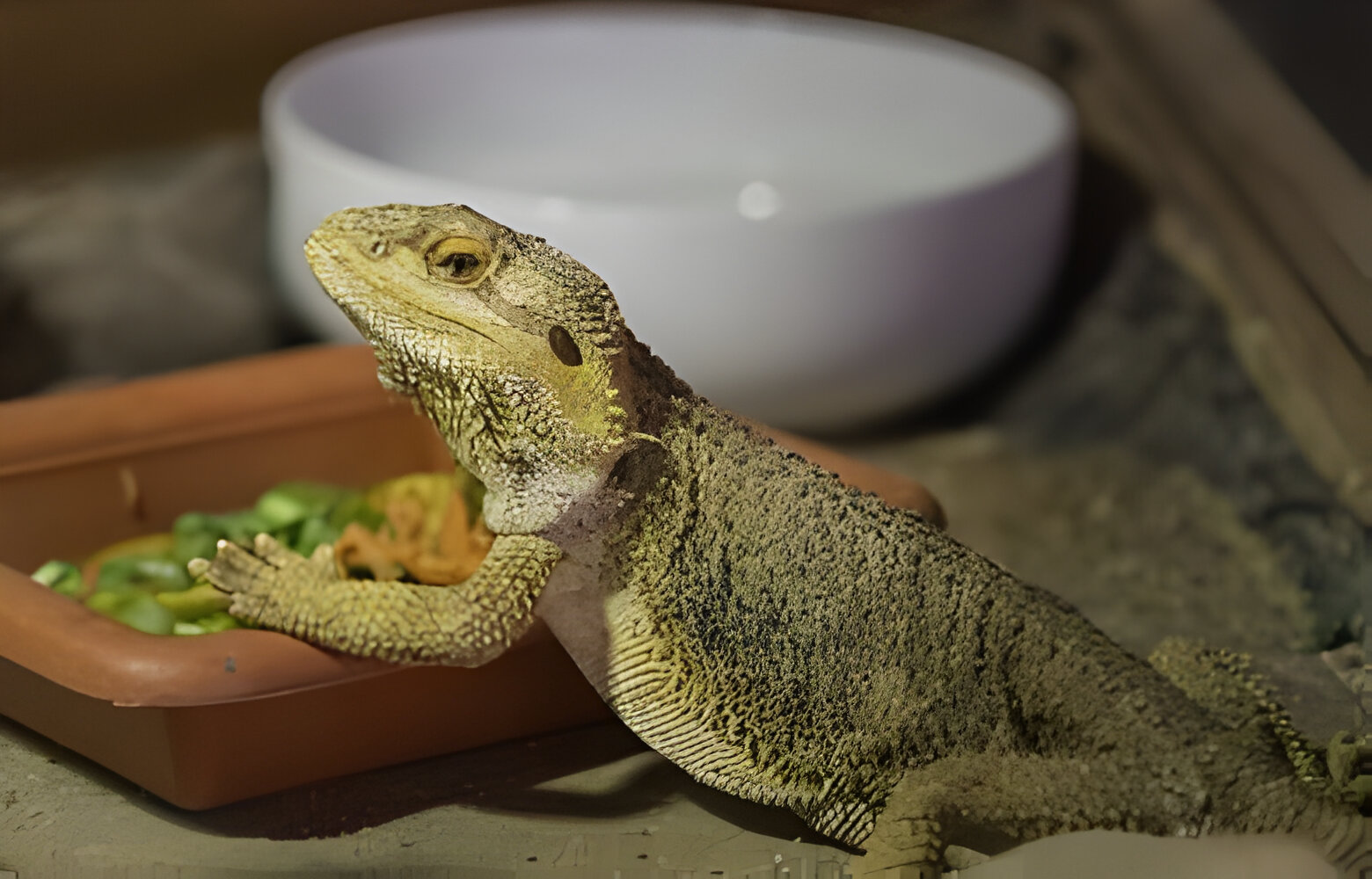
Are you curious about the proper feeding for a bearded dragon? Look no further! In this article, we will delve into the essential elements of a bearded dragon’s diet, ensuring their nutritional health and overall happiness. Whether you’re a new bearded dragon owner or a seasoned reptile enthusiast, understanding the right diet is crucial for the well-being of your scaly friend.
A balanced bearded dragon diet consists of a variety of insects, fresh vegetables, and fruits. We will explore the ideal insect-to-plant ratio and guide you in selecting the best options for your pet. From the nutrient-rich staple greens to beneficial live feeders, we’ll provide expert recommendations based on the latest research and practices.
Additionally, we’ll discuss the importance of calcium and vitamin supplementation to prevent common deficiencies in bearded dragons. Our aim is to equip you with the knowledge and resources necessary to provide your bearded dragon with a wholesome and nourishing diet.
Join us as we learn the best practices for feeding your bearded dragon, ensuring their optimal health and happiness. Let’s embark on this exciting journey together!
Understanding the Nutritional Needs of a Bearded Dragon
To properly feed your bearded dragon, it’s important to understand their nutritional needs. Bearded dragons are omnivores, meaning they require a combination of animal and plant-based foods to thrive. Their diet should consist of approximately 80% plant matter and 20% insects during their adult stage, with a slight variance during their juvenile stage.
One of the key considerations when planning a bearded dragon’s diet is the calcium-to-phosphorus ratio. Bearded dragons require a higher amount of calcium than phosphorus to maintain healthy bone development and prevent metabolic bone disease. It’s crucial to ensure that the foods you offer are rich in calcium and low in phosphorus.
In addition to calcium, bearded dragons also require proper levels of vitamins, particularly vitamin D3. Vitamin D3 is essential for calcium metabolism and overall health. Without adequate vitamin D3, bearded dragons may suffer from weakened bones and other health issues. This is why it’s important to provide proper UVB lighting to enable the synthesis of vitamin D3 in their skin.
The Importance of a Balanced Diet for Bearded Dragons
A balanced diet is crucial for the overall health and well-being of your bearded dragon. A lack of proper nutrition can lead to a variety of health issues, including metabolic bone disease, organ failure, and weakened immune systems. Providing a well-rounded diet ensures that your bearded dragon receives all the necessary nutrients for growth, development, and longevity.
To achieve a balanced diet, it’s important to offer a variety of foods. This includes a mix of insects, vegetables, and fruits. But the important question is: can bearded dragons eat grapes?. Each food group provides different essential nutrients, and a varied diet ensures that your bearded dragon receives them all.
It’s also important to note that the nutritional requirements of bearded dragons change as they grow. Baby bearded dragons have different dietary needs compared to adult bearded dragons. By understanding these differences, you can provide the appropriate nutrition for each stage of your bearded dragon’s life.
Feeding Guidelines for Baby Bearded Dragons
Baby bearded dragons have specific dietary requirements to support their rapid growth and development. During the first few months of their life, baby bearded dragons require a higher protein intake compared to adults. This is because protein is essential for tissue growth and development.
The primary food source for baby bearded dragons is insects. Crickets, dubia roaches, and small mealworms are excellent options. These insects are high in protein and essential nutrients. It’s important to ensure that the insects are appropriately sized for your baby bearded dragon to prevent choking hazards.
In addition to insects, baby bearded dragons should also be offered a variety of finely chopped vegetables. Collard greens, mustard greens, and squash are excellent choices. These vegetables provide essential vitamins and minerals necessary for their growth. It’s important to finely chop the vegetables to make them easier for the baby bearded dragon to consume.
Fruits can also be offered to baby bearded dragons, but in moderation. Fruits should be treated as occasional treats due to their higher sugar content. Small pieces of blueberries, raspberries, or diced melons can be given as a special treat.
Remember to provide a shallow dish of fresh water at all times. Baby bearded dragons may not drink much water initially, but having it available is important for their hydration.
Feeding Guidelines for Adult Bearded Dragons
As bearded dragons transition into adulthood, their dietary needs change. Adult bearded dragons require a higher ratio of vegetables to insects compared to their younger counterparts. This is because their growth rate slows down, and their bodies require more plant-based nutrition to maintain overall health.
Leafy greens should make up the bulk of an adult bearded dragon’s diet. Options such as collard greens, kale, mustard greens, and dandelion greens are excellent choices. These greens are rich in vitamins and minerals, providing the necessary nutrients for adult bearded dragons.
In addition to greens, a variety of vegetables should also be offered. Bell peppers, carrots, squash, and green beans can be included in their diet. It’s important to offer a mix of vegetables to provide a range of nutrients.
Insects are still an essential part of an adult bearded dragon’s diet but should be given in moderation. Crickets, dubia roaches, and mealworms can be offered as a treat a few times a week. However, it’s important to ensure that the insects are gut-loaded, meaning they have been fed a nutritious diet before being offered to your bearded dragon.
Foods to Include in a Bearded Dragon’s Diet
A varied diet is essential to provide your bearded dragon with all the necessary nutrients. Here are some foods that should be included in a bearded dragon’s diet:
- Leafy Greens: Collard greens, kale, mustard greens, dandelion greens.
- Vegetables: Bell peppers, carrots, squash, green beans, broccoli.
- Insects: Crickets, dubia roaches, mealworms, superworms, black soldier fly larvae.
- Fruits (in moderation): Blueberries, raspberries, diced melons, papaya.
By offering a diverse range of foods, you can ensure that your bearded dragon receives a balanced diet and all the necessary nutrients for optimal health.
Foods to Avoid Feeding Your Bearded Dragon
While there are many suitable foods for bearded dragons, there are also some that should be avoided. Certain foods can be toxic or harmful to bearded dragons and should be excluded from their diet. Here are some foods to avoid feeding your bearded dragon:
- Toxic Plants: Avocado, rhubarb, tomato leaves.
- Insects with Hard Shells: Mealworms with hard exoskeletons can be difficult to digest and may cause impaction.
- Citrus Fruits: Oranges, lemons, and other citrus fruits are too acidic for bearded dragons’ digestive systems.
- High-Fat Foods: Foods high in fat, such as butter or fatty meats, should be avoided as they can lead to obesity and other health issues.
It’s important to research and ensure that any food you offer is safe and appropriate for your bearded dragon’s consumption.
Supplementing a Bearded Dragon’s Diet
While a balanced diet should provide most of the necessary nutrients for your bearded dragon, supplementation is still important. Calcium and vitamin D3 are two essential supplements that should be included in their diet.
Calcium supplementation can be provided in two forms: calcium powder and calcium-rich foods. Calcium powder can be dusted onto insects before feeding, ensuring that your bearded dragon receives an adequate amount of calcium. Calcium-rich foods, such as calcium-rich greens or cuttlebone, can also be offered occasionally.
Vitamin D3 supplementation is crucial for bearded dragons to properly metabolize calcium. This can be achieved through proper UVB lighting. UVB lighting enables your bearded dragon to synthesize vitamin D3 in their skin, ensuring healthy calcium absorption.
It’s important to consult with a reptile veterinarian to determine the appropriate dosage and frequency of supplementation for your bearded dragon.
Conclusion
Providing a proper and balanced diet is essential for the overall health and happiness of your bearded dragon. By understanding their nutritional needs and following the feeding guidelines, you can ensure that your scaly friend receives the necessary nutrients for growth, development, and longevity.
Remember to offer a variety of foods, including a mix of insects, leafy greens, and vegetables. Avoid toxic or harmful foods, and supplement their diet with calcium and vitamin D3 as necessary.
Proper nutrition plays a vital role in the well-being of your bearded dragon. With the knowledge and resources provided in this article, you are now equipped to provide your bearded dragon with a wholesome and nourishing diet. Enjoy this exciting journey of caring for your scaly companion and watching them thrive!