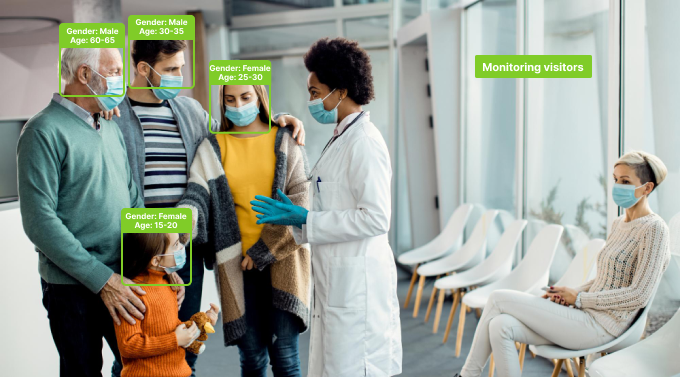
In recent years, the integration of artificial intelligence (AI) technologies into various sectors has brought about transformative changes, and one such area is hospital safety and security. Hospitals, being critical infrastructure for public health, face unique challenges in ensuring the safety of patients, staff, and visitors while maintaining a secure environment. Traditional security measures often fall short in addressing evolving threats and managing operational complexities. However, the adoption of AI-powered video analytics holds tremendous potential to revolutionize hospital safety and security protocols.
AI video analytics systems utilize advanced algorithms and machine learning techniques to analyze video feeds in real-time, extracting valuable insights and facilitating proactive decision-making. These systems offer a wide range of functionalities that can significantly enhance safety and security within hospital premises.
Here are some key ways in which AI video analytics can be instrumental:
Behavioral Analysis:
AI-powered video analytics can detect and analyze anomalous behaviors, such as unauthorized access to restricted areas, loitering, or suspicious activities. By continuously monitoring video feeds, the system can automatically alert security personnel to potential security breaches, allowing for prompt intervention and mitigation of risks.
Crowd Management:
Hospitals often experience high volumes of foot traffic, especially in emergency departments and public areas. AI video analytics software can help in monitoring crowd density, flow patterns, and identifying congested areas in real-time. This information enables staff to take proactive measures to prevent overcrowding, minimize the risk of accidents, and ensure efficient movement within the facility.
Asset Protection:
Hospitals house valuable medical equipment, pharmaceuticals, and patient data that are vulnerable to theft or misuse. AI video analytics can aid in asset protection by monitoring the movement of assets, detecting unauthorized removal or tampering, and generating alerts in case of suspicious activities. Additionally, the system can assist in tracking the usage of equipment, optimizing inventory management, and reducing losses due to theft or misplacement.
Patient Safety:
Ensuring the safety and well-being of patients is paramount in healthcare settings. AI video analytics can contribute to patient safety by monitoring patient rooms, corridors, and common areas for any signs of distress, falls, or medical emergencies. The system can automatically alert nursing staff or emergency responders in real-time, enabling swift intervention and providing timely assistance to patients in need.
Compliance Monitoring:
Healthcare facilities must adhere to various regulatory requirements and quality standards to maintain accreditation and ensure patient care excellence. AI video analytics can assist in compliance monitoring by continuously monitoring adherence to protocols such as hand hygiene practices, personal protective equipment (PPE) usage, and infection control measures. By analyzing video footage, the system can identify instances of non-compliance and facilitate corrective actions through staff training or policy reinforcement.
Incident Investigation and Forensics:
In the event of security incidents or adverse events, AI video analytics provides valuable support for post-incident analysis and forensics. The system can retrieve relevant video footage, reconstruct timelines of events, and identify individuals involved, aiding law enforcement agencies and hospital security teams in investigations and legal proceedings.
Integration with Access Control Systems:
AI video analytics can be seamlessly integrated with existing access control systems, surveillance cameras, and other security infrastructure within the hospital ecosystem. This integration enables a holistic approach to security management, allowing for centralized monitoring, data correlation, and automated responses to security events.
Privacy and Ethical Considerations:
While AI video analytics offer significant benefits, it is crucial to address privacy concerns and ethical considerations associated with surveillance technologies in healthcare settings. Implementing robust data privacy measures, ensuring compliance with regulations such as HIPAA (Health Insurance Portability and Accountability Act), and obtaining informed consent from patients and staff are essential steps in deploying AI video analytics responsibly.
Conclusion:
AI video analytics represent a powerful tool for enhancing safety and security in hospital environments. By leveraging the capabilities of AI-driven technologies, healthcare facilities can proactively identify risks, mitigate threats, and create safer environments for patients, staff, and visitors. However, successful implementation requires careful planning, stakeholder collaboration, and a commitment to ethical practices. As technology continues to evolve, AI video analytics hold immense promise in revolutionizing healthcare security and setting new standards for safety and resilience in the face of emerging challenges.