

If you’ve ever wondered how large buildings or busy businesses manage their electricity without constant outages, the answer often lies in commercial circuit breakers and electrical motor controls. These two elements work behind the scenes to keep power safe, steady, and reliable. Whether you’re a facility manager, a small business owner, or simply someone curious about how commercial power systems work, understanding these essentials will help you make smarter decisions, avoid costly mistakes, and ensure safety.
What Are Commercial Circuit Breakers?
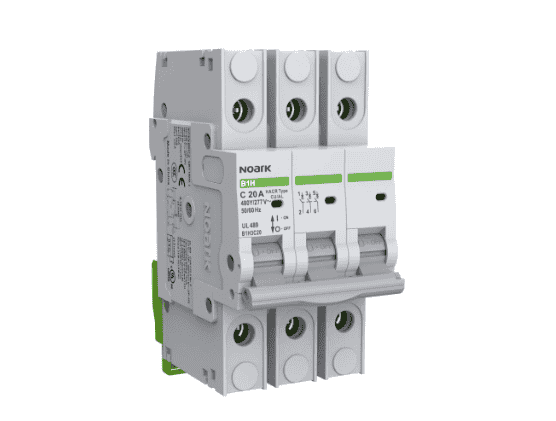
Commercial circuit breakers are specially designed devices that protect wiring, appliances, and equipment in offices, shopping centers, hotels, hospitals, and other business premises. While they perform the same basic function as residential breakers—cutting off electricity when there’s a fault—they are built to handle heavier loads and more complex systems.
Unlike residential breakers, which typically protect only small circuits in a home, commercial circuit breakers safeguard entire floors, multiple HVAC units, kitchen facilities, and sometimes even backup power systems. They’re part of the larger network that keeps businesses running smoothly.
How Commercial Circuit Breakers Keep Businesses Safe
Every business depends on electricity for lighting, heating, cooling, and operating equipment. Even a brief interruption can affect productivity or sales. Commercial circuit breakers act as the first line of defense when something goes wrong—such as an overload, short circuit, or wiring fault. By quickly shutting off power, they prevent fires, protect expensive devices, and reduce downtime.
This function is especially important in places where large systems like elevators, escalators, or industrial-style kitchen appliances draw significant current. Without proper circuit breakers, a single malfunctioning device could compromise the entire building’s electrical system.
The Role of Electrical Motor Controls in Commercial Settings
When we talk about commercial circuit breakers, it’s impossible to ignore their close relationship with electrical motor controls. In many commercial buildings, motors run fans, pumps, air-conditioning systems, conveyor belts, or other mechanical equipment. Electrical motor controls manage how these motors start, stop, and operate under varying loads.
Commercial circuit breakers work alongside electrical motor controls to ensure motors don’t overheat or draw too much current. While the control system manages operation, the breaker stands guard to cut power instantly in case of a fault. Together, they form a safety net for the most energy-intensive parts of a building.
Why Commercial Circuit Breakers Differ from Residential Ones
It’s tempting to think of all breakers as the same, but using a residential-grade breaker in a commercial setting can be dangerous. Commercial circuit breakers are larger, more robust, and designed for continuous duty. They handle higher voltages and often protect three-phase systems common in commercial wiring.
Residential breakers are meant for simpler, smaller-scale circuits. In a home, one tripped breaker might shut off your microwave or a single room’s lights. In a commercial building, a tripped breaker could disrupt dozens of computers, multiple air handlers, or an entire production line. That’s why proper commercial-grade equipment is essential.
Benefits of Commercial Circuit Breakers in Everyday Business Operations
Even though they’re mostly hidden in electrical panels, commercial circuit breakers deliver clear benefits:
-
They protect expensive equipment and wiring from overloads and short circuits.
-
They minimize downtime by quickly resetting after a fault is cleared.
-
They integrate with other safety devices for comprehensive protection.
-
They provide peace of mind for business owners and building managers.
These benefits make commercial circuit breakers a quiet but critical part of any successful enterprise.
How to Choose the Right Commercial Circuit Breakers
Selecting the correct breaker isn’t just about picking one from a shelf. It involves understanding your building’s electrical load, voltage requirements, and the type of equipment being protected. Key factors include the breaker’s current rating, interrupting capacity, and compatibility with your existing electrical panels.
Because commercial settings often have dynamic loads, it’s also wise to consider breakers with adjustable trip settings. This allows you to fine-tune protection for changing conditions, reducing the risk of nuisance tripping while maintaining safety.
Working Together: Commercial Circuit Breakers and Electrical Motor Controls
A well-designed power system is more than just a collection of wires and switches. Commercial circuit breakers and electrical motor controls must work hand-in-hand. While motor controls manage startup surges and running conditions, the breakers provide the final line of protection against catastrophic faults.
This relationship is especially important for businesses with heavy-duty equipment like elevators, refrigeration units, or water pumps. Proper coordination between breakers and motor controls can extend the life of your machinery, prevent unexpected shutdowns, and lower maintenance costs over time.
Maintenance Tips for Commercial Circuit Breakers
Although commercial circuit breakers are built for durability, they still require regular maintenance. Over time, dust, humidity, and constant switching can wear them down. Some useful practices include:
-
Scheduling periodic inspections by qualified technicians.
-
Testing breakers under load conditions to ensure proper tripping.
-
Keeping panels clean and dry to prevent corrosion.
-
Documenting any tripping events to identify patterns or hidden issues.
These steps not only keep your breakers working correctly but also protect the investment you’ve made in your electrical infrastructure.
Looking Ahead: The Future of Commercial Circuit Breakers
Technology is transforming even this traditional area of electrical safety. Smart commercial circuit breakers with digital monitoring are becoming more common. They can send alerts, track energy usage, and even predict when maintenance is needed. This mirrors trends in electrical motor controls, where automation and remote diagnostics are improving reliability.
For business owners, this means increased control and reduced risk. As commercial systems grow more complex, investing in smarter breakers and integrated motor controls will likely become the norm.
Common Challenges with Commercial Circuit Breakers
Despite their advantages, commercial circuit breakers can present challenges. For example, frequent nuisance tripping may indicate undersized breakers or hidden wiring issues. In other cases, outdated breakers may not meet modern safety standards or handle today’s larger electrical loads.
Understanding these challenges and addressing them proactively helps businesses avoid unexpected downtime or safety risks. It also underscores the importance of regular system reviews, especially when adding new equipment or expanding operations.
FAQs
Q1: What makes commercial circuit breakers different from residential ones?
Commercial circuit breakers are built for higher voltages, heavier loads, and more complex wiring systems. They’re essential for protecting large-scale electrical infrastructure.
Q2: How do electrical motor controls relate to commercial circuit breakers?
Electrical motor controls manage how motors start and run, while commercial circuit breakers provide protection against overloads and faults. Together they safeguard critical equipment.
Q3: How often should commercial circuit breakers be inspected?
Most experts recommend at least annual inspections. High-demand environments or older systems may require more frequent checks to maintain safety.
Q4: Can I use a residential breaker in a commercial building?
No. Residential breakers are not designed for the loads or systems found in commercial buildings. Using them can create safety hazards and violate codes.


