

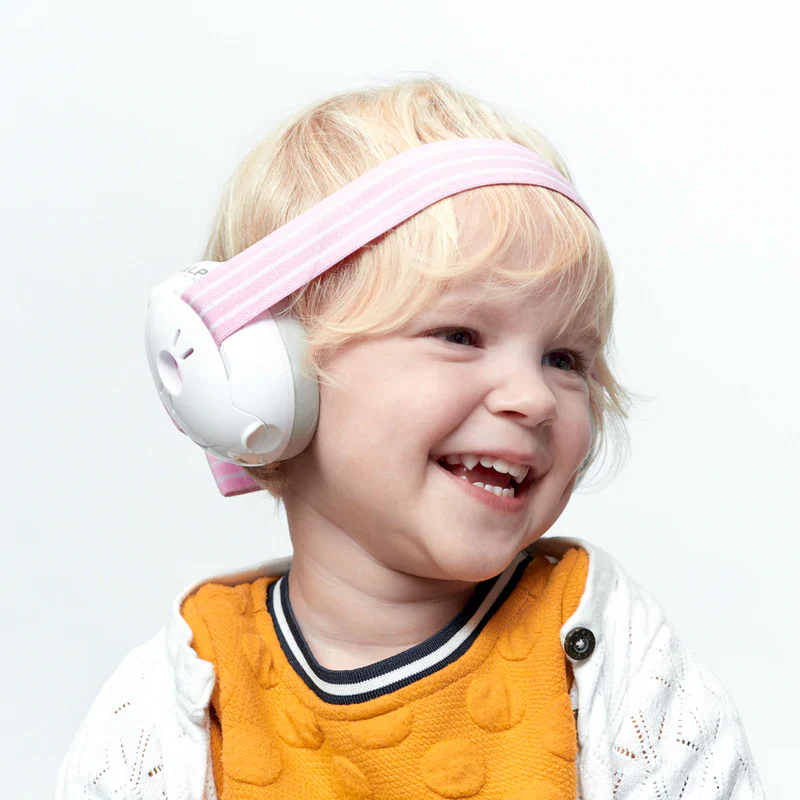
When selecting ear muffs for babies, choosing the correct size is crucial. Many parents and grandparents make the mistake of picking ear muffs for babies that are either too large or too small for the child. Ill-fitting ear protection can be uncomfortable and less effective. For instance, if the Ear muffs for babies are too large, they may not stay securely in place, leading to gaps that can allow loud noises to enter. Conversely, if they are too small, they might cause discomfort or even harm to the baby’s delicate ears. Ensuring a proper fit helps maximize both comfort and effectiveness.
Not Using Ear Protection in All Noisy Environments
Another common mistake is not using ear protection in all potentially noisy environments. Some caregivers may think that ear protection is only necessary for very loud events, such as concerts or fireworks, but this is not always the case. Babies’ ears are particularly sensitive, and even moderately loud environments, such as busy family gatherings or noisy playgrounds, can be harmful.
To ensure your baby’s hearing is protected, it’s wise to use ear protection in any environment where noise levels could potentially be high. This includes not only special events but also everyday situations that might expose your baby to loud sounds. Consistently using ear protection helps prevent hearing damage and establishes a routine for keeping your baby’s ears safe.
Neglecting to Check for Proper Use
Proper use of baby ear protection is essential for its effectiveness. Some caregivers make the mistake of assuming that once the ear protection is in place, it’s working correctly. However, improper placement or use can greatly reduce its ability to block harmful noise. For instance, if the ear muffs are not positioned correctly over the ears, they may not create an effective seal.
Regularly check to ensure that the ear protection is correctly positioned and securely fastened. The ear muffs should cover the entire ear and fit snugly without pressing too hard. It’s also important to make sure that the ear protection remains in place throughout the duration of its use, especially if your baby tends to move around a lot.
Forgetting to Clean and Maintain Ear Protection
Cleaning and maintaining ear protection is often overlooked but is essential for ensuring its effectiveness and hygiene. Many caregivers forget to regularly clean ear muffs, which can lead to a build-up of dirt and bacteria. This not only makes the ear protection less pleasant to use but can also pose health risks to your baby.
To avoid this mistake, follow the manufacturer’s instructions for cleaning and maintaining the ear protection. Regularly wipe down the ear muffs with a mild disinfectant and allow them to dry thoroughly before use. Additionally, inspect the ear protection for any signs of wear and tear, such as frayed straps or cracked cushions, and replace them if necessary.
Assuming All Ear Protection Is the Same
Not all ear protection products are created equal, and assuming they all offer the same level of noise reduction can be a mistake. Some ear muffs are designed for general use, while others are specifically engineered to protect against high noise levels. Choosing the right type of ear protection for your baby’s needs is crucial for ensuring their hearing safety.
Research different products and look for those that are specifically designed for infants and offer the appropriate level of noise reduction for the environments your baby will be in. Read reviews, check ratings, and consult with professionals if necessary to ensure you are choosing a high-quality product that provides adequate protection.
Ignoring Comfort and Fit
Comfort and fit are often underestimated when selecting ear protection for babies. If the ear muffs are uncomfortable or poorly fitting, your baby may resist wearing them or remove them frequently. This can reduce the effectiveness of the protection and expose your baby to potentially harmful noise levels.
Conclusion
When choosing ear protection, prioritize products that are designed with comfort in mind. Look for features such as padded headbands and adjustable straps to ensure a comfortable and secure fit. Consider your baby’s comfort and preferences, and select ear protection that they are more likely to tolerate and wear consistently.

