How and why retail store should use people counting software
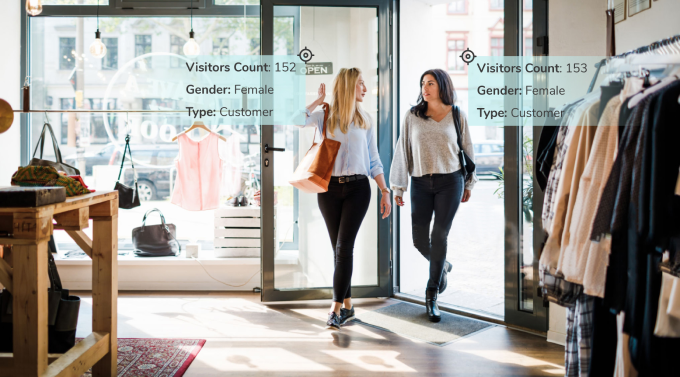
In today’s competitive retail environment, the effective use of technology can provide significant advantages. One such technology is people counting software, which helps retailers track the number of customers entering and exiting their stores. This software utilizes various methods such as infrared sensors, video cameras, and Wi-Fi tracking to collect data on foot traffic. Understanding how and why retail stores should implement people counting software can lead to improved operations, increased sales, and enhanced customer satisfaction.
Benefits of People Counting Software
-
Enhanced Customer Experience
- Queue Management: People counting software can help manage checkout lines by alerting staff when lines are getting long. This allows for timely intervention, reducing wait times and improving customer satisfaction.
- Optimal Staffing: By analyzing foot traffic patterns, retailers can schedule staff more effectively. For instance, more staff can be scheduled during peak hours to ensure that customers receive timely assistance, enhancing their overall shopping experience.
-
Improved Store Layout and Merchandising
- Traffic Flow Analysis: Understanding how customers move through the store can highlight areas of high congestion or underutilized space. Retailers can rearrange store layouts to optimize traffic flow, ensuring that customers have a smoother shopping experience and are more likely to encounter promotional displays.
- Product Placement: Insights from people counting can inform strategic product placement. High-demand products can be placed in easily accessible areas, while promotional or high-margin items can be positioned in high-traffic zones to maximize visibility and sales.
-
Sales Conversion Rates
- Visitor to Customer Conversion: People counting software helps retailers determine the conversion rate of visitors to buyers. By correlating foot traffic data with sales data, retailers can assess the effectiveness of marketing campaigns and in-store promotions.
- Identifying Sales Opportunities: If high foot traffic does not correspond to high sales, it may indicate issues such as poor product assortment, inadequate customer service, or inefficient store layout. Addressing these issues can help convert more visitors into customers.
-
Data-Driven Decision Making
- Performance Metrics: Retailers can set benchmarks and track performance over time. For instance, they can compare foot traffic and sales performance across different stores, times of day, or promotional periods to identify trends and make informed decisions.
- Marketing Effectiveness: By analyzing the impact of marketing campaigns on foot traffic, retailers can evaluate which strategies are most effective in driving store visits and adjust their marketing efforts accordingly.
Implementation of People Counting Software
-
Choosing the Right Technology
- Infrared Sensors: These are cost-effective and easy to install but may be less accurate in crowded conditions.
- Video Cameras: Provide high accuracy and can integrate with advanced analytics but may be more expensive and raise privacy concerns.
- Wi-Fi Tracking: Tracks customers’ smartphones as they move through the store, providing detailed movement data but requiring customers to have Wi-Fi enabled.
-
Integration with Existing Systems
- POS Systems: Integrating people counting data with Point of Sale (POS) systems can provide insights into conversion rates and sales performance.
- Customer Relationship Management (CRM): Combining foot traffic data with CRM systems can enhance customer profiles and personalize marketing efforts.
-
Data Privacy and Security
- Compliance with Regulations: Retailers must ensure that their people counting solutions comply with data privacy laws such as GDPR or CCPA. This includes informing customers about data collection and ensuring data is anonymized and securely stored.
- Customer Trust: Transparency about data collection practices and the benefits to customers can help build trust and encourage them to opt-in to tracking technologies.
Case Studies
- Large Retail Chains
- A major retail chain implemented people counting software across all its locations. By analyzing the data, the chain identified peak shopping times and adjusted staffing levels accordingly, resulting in a 15% improvement in customer satisfaction scores. Additionally, the chain optimized its store layouts based on traffic flow data, leading to a 10% increase in average transaction value.
-
Small Specialty Stores
- A small specialty store used people counting software to evaluate the success of its window displays and in-store promotions. The data revealed that certain promotions were driving significant foot traffic but not converting to sales. By refining their promotional strategies and improving product placement, the store increased its conversion rate by 20%.
Challenges and Considerations
-
Initial Investment and ROI
- Cost: The initial investment in people counting technology can be significant, especially for small retailers. However, the long-term benefits such as improved sales and customer satisfaction can justify the expense.
- ROI Measurement: It is important for retailers to track the return on investment by measuring improvements in key performance indicators (KPIs) such as conversion rates, average transaction value, and customer satisfaction.
-
Accuracy and Reliability
- Data Accuracy: Ensuring the accuracy of the data collected by people counting software is crucial. Retailers should regularly calibrate and maintain their counting devices to prevent errors.
- Environmental Factors: External factors such as weather, events, and seasonal trends can affect foot traffic data. Retailers need to account for these variables when analyzing data and making decisions.
-
Employee Training and Buy-in
- Training: Staff need to be trained to understand and utilize the data provided by people counting software. This includes interpreting reports and taking appropriate actions based on insights.
- Buy-in: Gaining buy-in from all levels of the organization is important for successful implementation. Retailers should communicate the benefits of the technology to employees and involve them in the process to ensure smooth adoption.
Conclusion
People counting software offers numerous benefits to retail stores, from enhancing customer experiences to enabling data-driven decision-making. By understanding foot traffic patterns, optimizing store layouts, and improving staffing and marketing strategies, retailers can increase sales and improve operational efficiency. While there are challenges in implementation, such as cost and data accuracy, the long-term advantages make people counting software a valuable investment for retailers looking to stay competitive in an evolving market.