With the way the world constantly changes and innovates, home security systems have become part of our homes. Most modern alarms and security systems should include not only theft and invasion protection but also from such environmental risks as flooding, suffocation, or even carbon monoxide leaks. This article will take a look at all the different ways your home alarm system will be protecting you from these silent yet potentially deadly killers.
Advanced Technologies for Home Environmental Protection
Flood Detection: Among the most substantial environmental threats homeowners face is flooding. If heavy rains, plumbing failure, or natural disasters occur, flooding can be very destructive to estates and a risk to human life. Technologies applied in home alarm systems, among others, are those aimed at detecting and suppressing the consequences of the flood.
Water Sensors: Most devices incorporate water sensors in the most sensitive places, including the basement, laundry room, or near water fixtures. They can, therefore, capture the minutest leakages or moisture levels and send immediate alerts to homeowners and monitoring companies.
Smart Leak Detectors: The most sophisticated systems use intelligent leak sensors; they can, in addition, check the room temperature and humidity. They help in making sure early detection is ascertained in case of probable bursts or malfunctions of an appliance that is likely to trigger water damage so that the right steps are taken at the right time.
Integration with Smart Home Devices: This is a huge improvement in domestic safety and automation. It integrates smart detection of carbon monoxide with smart devices and equipment found in homes. This makes carbon monoxide detectors installed in such a way that allows signals to be sent to the users’ devices, even when he is far away. These systems enable them to get alerted in real-time in cases of likely CO hazards, even while they are away. Smart CO detectors can be interfaced with other smart home devices to ensure instant response the moment a CO threat is sensed. For example, where the level of CO is high, it can turn off all fuel-burning appliances, including switch-on ventilation appliances and warning signs. This kind of integration provides enhanced safety and, at the same time, guarantees convenience and a peaceful mind for the homeowner.
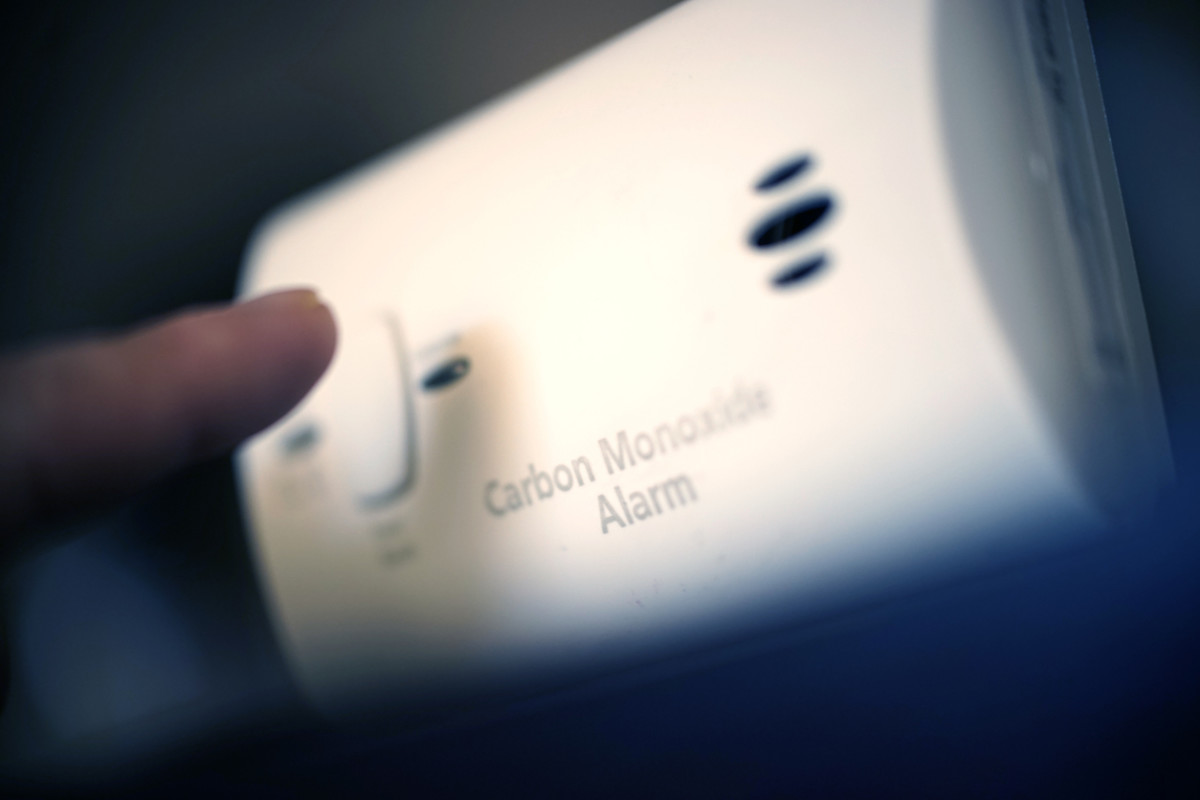
Carbon Monoxide (CO) Detection: CO, a colourless gas produced by incomplete combustion of carbon-based fuels, can cause concern if exposure levels exceed specified limits. Sensors detect CO levels in specimens using electrochemical, metal oxide semiconductor, or biomimetic methods. Alarms are raised when CO levels exceed the standard, alerting occupants. Advancements in technology have replaced traditional detectors with smart ones that monitor in real time. Building management systems can integrate CO detection systems effectively, ensuring timely detection and response to protect occupants from CO poisoning.
Carbon Monoxide Sensors: A CO detector is a device that checks constantly for the occurrence of carbon monoxide in the air. Even with low amounts, the alarm in these sensors will be set off so that possible victims are warned.
Multi-Sensor Integration: Some of the advanced types of alarm systems are integrated with CO detectors along with smoke detectors and fire alarms to provide complete safety from fire and CO hazards. These are the times of emergencies in which quicker response is ensured, and the risk to the occupants is minimized.
Remote Monitoring and Alerts: Most modern alarm systems are designed with remote monitoring features, which alert homeowners on smartphones or other connected devices immediately in case of any eventuality. Such alerts enable homeowners to move out and seek further help in real time if there are CO gas leaks.
Integration and Automation: Its effectiveness in protecting the home against environmental threats is through integration and automation. The centralized system would allow for sensors from floods, CO detectors, and other environmental monitoring devices to be included in order for the homeowners to come up with an elaborate defence system against any environmental hazard. Moreover, the automation features afford immediate responding actions such as mounting down utilities or being in a position to contact emergency services without having to engage them manually.
In conclusion, home alarm systems will provide a level of security to home environments to the extent that they are reliable and effective for deterring the environmental threats of floods and carbon monoxide leaks. The use of advanced technology, with sensors in water and CO and integration with smart home systems, affords homeowners early detection, coupled with peace of mind from rapid responses. A good investment with a dependable home alarm system would make sure that your property and belongings are very safe; more importantly, a home, though modest, ensures the occupants are safely out of reach of the dangerous unseen lurking within its walls.