The roofing structure in Pakistan is an essential aspect of a building. A well-designed roof protects the building from harsh weather conditions, provides insulation, and maintains the overall structural integrity of the building. One of the crucial aspects of a roofing structure is proper insulation. Without proper insulation, a roof can become a liability, causing energy inefficiency, structural damage, and health hazards. In this article, we will discuss the importance of proper insulation in roofing structures in Pakistan.
Importance of Proper Insulation:
Energy Efficiency:
Proper insulation in roofing structures in Pakistan is an essential aspect of building construction that cannot be overlooked. One of the main reasons why proper insulation is important is because of its energy efficiency benefits. Insulation helps maintain the temperature inside the building by reducing heat transfer through the roof. This reduces the workload on the air conditioning and heating systems, resulting in lower energy consumption. When heat is allowed to escape through the roof, the heating system is forced to work harder to maintain a comfortable temperature, leading to increased energy bills. This means that with proper insulation, building owners can save money on energy costs.
Structural Integrity:
In addition to energy efficiency, proper insulation is also crucial for the structural integrity of a building. Without proper insulation, the roofing structure can be subjected to moisture and condensation, which can weaken the structure over time. Moisture buildup can also lead to the formation of ice dams, which can cause damage to the roof and gutters. Proper insulation can prevent this by reducing the buildup of moisture in the roof structure, ensuring the longevity and structural integrity of the building.
Health and Safety:
Another important aspect of proper insulation in roofing structures is health and safety. Mold and mildew can grow in areas with high humidity and moisture buildup, which can cause respiratory problems and other health issues. Proper insulation prevents moisture buildup, thereby reducing the risk of mold growth. This is especially important in areas with high humidity levels, such as coastal regions.
Sound Insulation:
Finally, proper insulation in roofing structures can also contribute to sound insulation. Insulation helps absorb sound waves, resulting in a quieter environment. This is particularly important for buildings located in noisy areas or those with high foot traffic. Insulation can also provide privacy by reducing the transmission of sound between different rooms in the building.
In conclusion, proper insulation in roofing structures is crucial for energy efficiency, structural integrity, health and safety, and sound insulation. Building owners should ensure that their roofing structures are properly insulated to ensure a comfortable and safe environment for occupants.

Types of Roof Insulation:
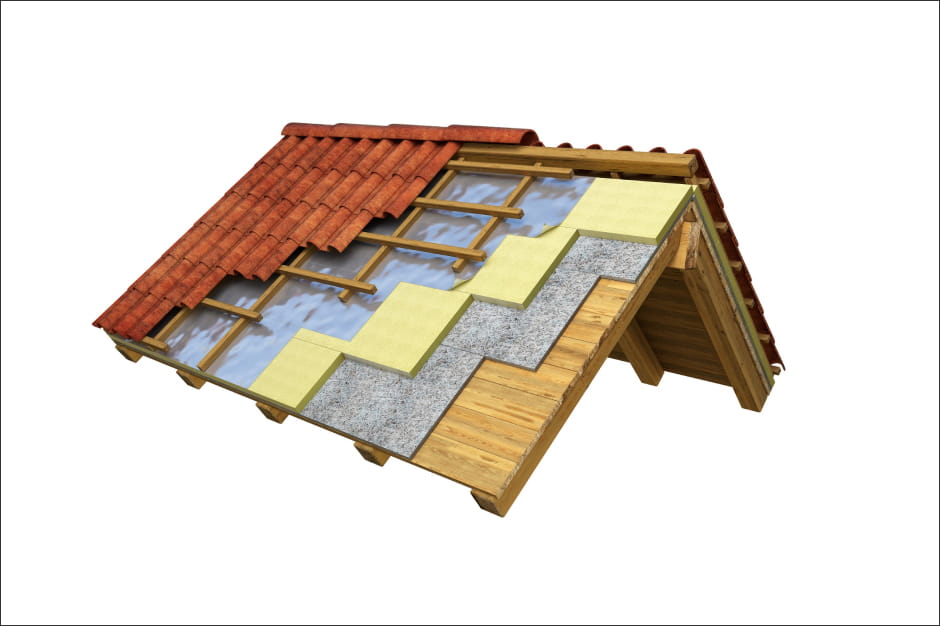
There are various types of insulation materials that can be used in roofing structures in Pakistan. The most common types include:
Fiberglass Insulation:
Fiberglass insulation is made of glass fibers and is an affordable and effective option for roof insulation. It is easy to install and has a high R-value, which measures the insulation’s ability to resist heat transfer.
Spray Foam Insulation:
Spray foam insulation is a more expensive option but provides better insulation than fiberglass. It is applied as a liquid and then expands to fill all gaps and spaces, providing an airtight seal.
Cellulose Insulation:
Cellulose insulation is made of recycled paper and is an eco-friendly option. It has a high R-value and can be blown into the roof structure as loose-fill insulation.
Conclusion:
Proper insulation in roofing structures is a critical aspect of building design in Pakistan. It provides energy efficiency, structural integrity, health and safety, and sound insulation benefits. The type of insulation material used should be carefully selected based on the building’s requirements and budget. A well-insulated roof will not only save energy and reduce costs but also ensure the longevity and safety of the building.