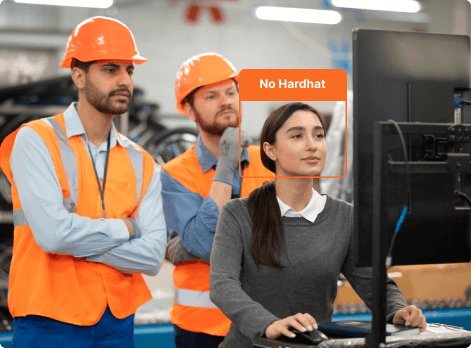
The manufacturing industry is in the midst of a digital revolution, with artificial intelligence (AI) playing a pivotal role in transforming traditional processes. One of the most promising advancements is AI video analytics, which integrates machine learning algorithms and computer vision to interpret video data in real time. This technology offers a multitude of benefits, from enhancing operational efficiency to improving safety and quality control. This essay explores the applications, advantages, and future prospects of AI video analytics in manufacturing.
Applications of AI Video Analytics in Manufacturing
Quality Control and Inspection
- Defect Detection: AI video analytics can automatically detect defects in products by comparing real-time video footage with predefined quality standards. This ensures that only high-quality products reach the market, reducing waste and returns.
- Surface Inspection: Using high-resolution cameras and AI, manufacturers can identify surface defects such as scratches, dents, or discolorations that might be missed by the human eye.
Predictive Maintenance:
- Equipment Monitoring: AI video analytics can continuously monitor machinery for signs of wear and tear. By analyzing visual data, the system can predict when a machine is likely to fail, allowing for timely maintenance and reducing downtime.
- Thermal Imaging: Infrared cameras combined with AI can detect abnormal heat patterns in equipment, indicating potential issues before they become critical.
Worker Safety:
- Hazard Detection: AI can identify unsafe conditions, such as spillage or misplaced objects, and alert workers or supervisors to take corrective action.
- PPE Compliance: AI systems can monitor whether workers are wearing appropriate personal protective equipment (PPE) and alert management if there are any violations.
Process Optimization:
- Workflow Analysis: By analyzing video footage of manufacturing processes, AI can identify bottlenecks and inefficiencies. Recommendations can then be made to streamline operations, improve productivity, and reduce costs.
- Inventory Management: AI video analytics can monitor inventory levels in real-time, ensuring that materials are always available when needed, thus preventing production delays.
Security and Surveillance:
- Intrusion Detection: AI-powered surveillance systems can detect unauthorized access to restricted areas and trigger alarms.
- Theft Prevention: Continuous monitoring can help prevent theft and vandalism, protecting valuable assets.
Advantages of AI Video Analytics
Increased Efficiency:
- Real-Time Analysis: AI video analytics provides real-time insights, allowing for immediate action and reducing the time spent on manual inspections and monitoring.
- 24/7 Operation: Unlike human workers, AI systems can operate continuously without fatigue, ensuring constant vigilance and productivity.
Cost Savings:
- Reduced Labor Costs: Automating inspection and monitoring tasks reduces the need for manual labor, cutting down on labor costs.
- Minimized Downtime: Predictive maintenance helps in avoiding unexpected breakdowns, ensuring smoother operations and reducing the costs associated with machine downtime.
Improved Quality and Consistency:
- Objective Analysis: AI provides consistent and unbiased analysis, ensuring that quality control is maintained at the highest standard.
- Enhanced Product Quality: By detecting defects early in the production process, AI helps in maintaining high product quality, leading to increased customer satisfaction.
Enhanced Safety:
- Proactive Risk Management: By identifying potential hazards and compliance issues in real-time, AI video analytics enhances workplace safety, reducing the risk of accidents and injuries.
- Regulatory Compliance: Continuous monitoring ensures that safety protocols are followed, helping manufacturers comply with industry regulations and standards.
Data-Driven Decision Making:
- Insightful Analytics: AI systems generate vast amounts of data that can be analyzed to gain insights into various aspects of manufacturing, from equipment performance to worker productivity.
- Strategic Planning: These insights enable manufacturers to make informed decisions, optimize operations, and plan strategically for future growth.
Challenges and Future Prospects
Despite its numerous advantages, the adoption of AI video analytics in manufacturing is not without challenges. These include:
- High Initial Investment: Implementing AI video analytics requires significant upfront investment in hardware, software, and training. However, the long-term benefits often outweigh the initial costs.
- Integration with Existing Systems: Integrating AI with legacy systems can be complex and may require significant modifications.
- Data Privacy and Security: The use of video surveillance raises concerns about data privacy and security. Manufacturers must ensure that data is stored and handled in compliance with relevant regulations.
- Technical Expertise: Implementing and maintaining AI systems requires specialized skills, which may necessitate hiring or training personnel.
Looking forward, the future of AI video analytics in manufacturing is promising. Advancements in AI algorithms, machine learning, and computer vision are expected to enhance the capabilities of video analytics systems. Key trends to watch include:
- Edge Computing: Processing data closer to the source (i.e., at the edge) will reduce latency and improve the efficiency of AI video analytics systems.
- Integration with IoT: Combining AI video analytics with the Internet of Things (IoT) will enable more comprehensive monitoring and control of manufacturing processes.
- Enhanced AI Models: Continuous improvements in AI models will result in more accurate and reliable analysis, further boosting the effectiveness of video analytics.
- Custom Solutions: As AI technology evolves, more customized and industry-specific solutions will emerge, addressing the unique needs of different manufacturing sectors.
Conclusion
AI video analytics represents a transformative technology for the manufacturing industry, offering substantial benefits in terms of efficiency, cost savings, quality control, and safety. While challenges exist, the ongoing advancements in AI and related technologies promise to overcome these hurdles, paving the way for smarter, more efficient, and safer manufacturing environments. As manufacturers continue to embrace digital transformation, AI video analytics will undoubtedly play a central role in shaping the future of the industry.