

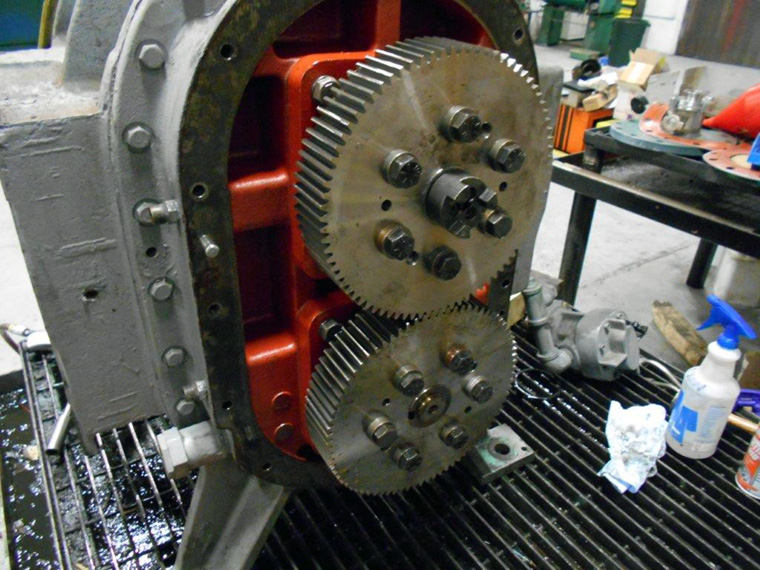
Are you ready to dive into the fascinating world of high vacuum pumps? Whether you’re a seasoned engineer or a curious enthusiast, understanding the ins and outs of high vacuum pumps can unlock a world of possibilities in various industries and applications. In this comprehensive guide, we’ll unravel the mysteries of high vacuum pumps, offering actionable tips and friendly advice to help you harness their power and optimize your vacuum systems.
Demystifying High Vacuum Pumps
High vacuum pumps are essential components in a wide range of industrial processes, from semiconductor manufacturing and scientific research to aerospace engineering and beyond. These pumps are designed to create and maintain high levels of vacuum, enabling precise control over pressure and gas environments.
Types of High Vacuum Pumps
There are several types of high vacuum pumps commonly used in industrial and scientific applications, including:
- Turbo Pumps: Turbo pumps use a series of rotating blades to generate high-speed gas flow, creating a vacuum by molecular drag. These pumps are known for their high pumping speeds and low ultimate pressures.
- Diffusion Pumps: Diffusion pumps operate on the principle of vapor jet diffusion, utilizing high-temperature oil vapor to entrain and evacuate gas molecules from the vacuum chamber. These pumps are suitable for high vacuum and ultra-high vacuum applications.
- Ion Pumps: Ion pumps utilize electric fields to ionize gas molecules and remove them from the vacuum chamber. These pumps are highly efficient in achieving ultra-high vacuum conditions and are often used in particle accelerators and semiconductor manufacturing.
Tips for Optimizing High Vacuum Systems
Here are some actionable tips for optimizing high vacuum systems:
- Proper Maintenance: Regularly inspect and maintain high vacuum pumps to ensure optimal performance and longevity. Clean filters, replace worn components, and lubricate moving parts as needed.
- Monitor Performance: Use vacuum gauges and pressure sensors to monitor the performance of high vacuum pumps and detect any anomalies or fluctuations in pressure levels.
- Leak Detection: Incorporate vacuum leak detectors into your maintenance routine to identify and address any leaks in the vacuum system promptly. Vacuum leak detectors are invaluable tools for maintaining system integrity and efficiency.
Vacuum Leak Detection Techniques
Vacuum leak detectors are essential instruments for identifying and locating leaks in high vacuum systems. Common techniques include:
- Helium Leak Testing: Helium is used as a tracer gas to detect leaks in vacuum systems, offering high sensitivity and accuracy.
- Pressure Decay Testing: Pressure decay testing involves measuring changes in pressure over time to identify leaks in vacuum systems.
- Bubble Testing: Bubble testing involves applying a liquid solution to suspected leak points and observing for the formation of bubbles, indicating the presence of leaks.
Conclusion
High vacuum pumps are indispensable tools for achieving precise control over pressure environments in a wide range of applications. By understanding the principles of high vacuum pumps and implementing best practices for maintenance and leak detection, you can optimize performance, maximize efficiency, and unlock new possibilities in your vacuum systems.
So, embrace the power of high vacuum pumps, and embark on a journey of discovery and innovation in the world of vacuum technology!

