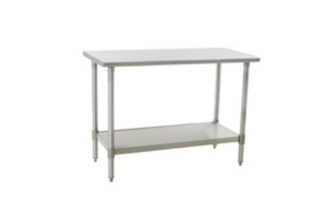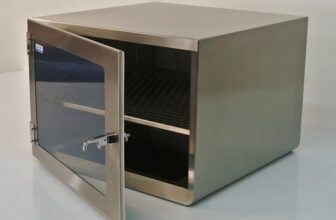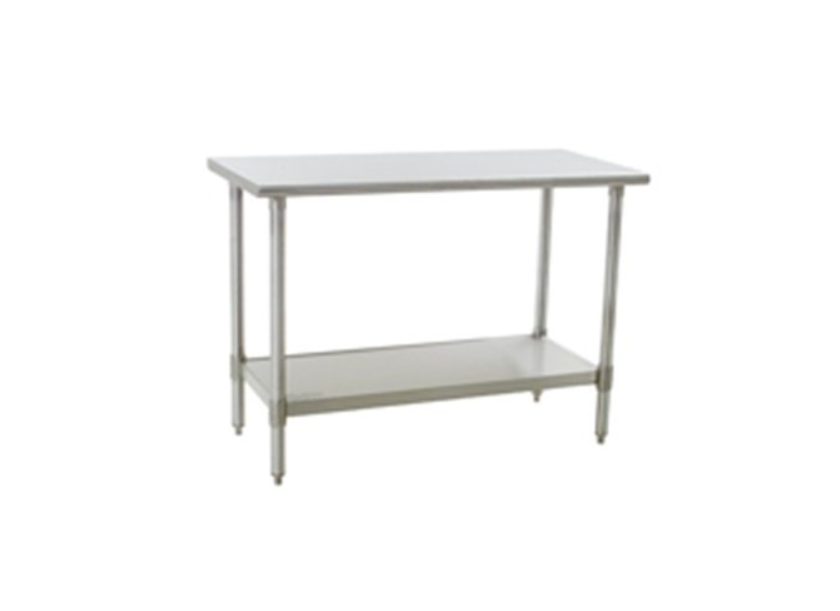
When you operate in a cleanroom environment, every surface matters. Even the smallest source of contamination can affect product quality, research accuracy, and regulatory compliance. That is why selecting the right furniture is just as important as choosing the right equipment. One of the most practical and reliable choices for controlled environments is a stainless steel lab table.
Whether you work in pharmaceuticals, biotechnology, electronics manufacturing, medical device production, or research laboratories, a stainless steel work surface helps maintain cleanliness, durability, and efficiency. Understanding the benefits of stainless steel lab tables can help you create a safer and more productive cleanroom.
Maintain Superior Cleanliness
Your cleanroom depends on strict contamination control. Stainless steel is a non-porous material that does not absorb moisture, chemicals, or particles. Unlike wood or certain composite materials, it does not harbor bacteria, mold, or other contaminants.
Because the surface is smooth and easy to sanitize, you can quickly remove dust, debris, and spills without damaging the table. This makes a stainless steel lab table an excellent choice for environments where cleanliness is critical.
Regular cleaning procedures become more effective when your work surfaces are designed to resist contamination. As a result, you can maintain higher cleanliness standards and reduce the risk of product defects.
Improve Durability and Longevity
Cleanrooms often require frequent cleaning with disinfectants and specialized cleaning agents. Many materials deteriorate over time when exposed to harsh chemicals. Stainless steel, however, offers exceptional resistance to corrosion, stains, and chemical damage.
By investing in a high-quality stainless steel laboratory table for cleanroom applications, you gain a work surface that can withstand years of demanding use. This durability helps reduce replacement costs and minimizes operational disruptions.
Instead of worrying about chipped surfaces, rust, or structural damage, you can focus on your work while relying on a table built for long-term performance.
Support Regulatory Compliance
Many industries must comply with strict regulations regarding cleanliness and contamination control. Regulatory agencies often require facilities to use materials that are easy to clean and resistant to microbial growth.
Stainless steel meets these requirements and is widely accepted in controlled environments. By incorporating a cleanroom-grade Stainless Steel Lab Table into your workspace, you can help support compliance efforts and simplify inspections.
A properly designed cleanroom workstation demonstrates your commitment to maintaining industry standards and operational excellence.
Enhance Workplace Efficiency
Your workspace layout directly affects productivity. Stainless steel lab tables provide stable and reliable surfaces for equipment, instruments, testing materials, and assembly tasks.
Many models are designed with features such as adjustable shelving, storage options, and ergonomic configurations. These additions help you organize tools and materials more effectively.
When everything has a designated place, you spend less time searching for equipment and more time focusing on critical tasks. A well-organized workstation contributes to smoother workflows and fewer errors.
Resist Chemical Exposure
Cleanrooms frequently handle chemicals, solvents, and laboratory reagents. Work surfaces must withstand accidental spills without becoming damaged or contaminated.
Stainless steel offers excellent resistance to a wide range of chemicals. This protection helps preserve the integrity of your workspace while reducing maintenance requirements.
If your operations involve chemical handling, selecting a stainless steel table can help ensure your work surface remains safe and functional even under demanding conditions.
Minimize Particle Generation
Particle control is a primary objective in every cleanroom. Materials that chip, crack, or degrade can release particles into the environment, increasing contamination risks.
Stainless steel is highly resistant to wear and does not easily shed particles. Its smooth finish helps prevent particle accumulation and supports cleanroom airflow requirements.
Using low-particle-generating furniture is an effective way to maintain the controlled conditions necessary for sensitive processes and products.
Adapt to Various Applications
One of the greatest advantages of stainless steel lab tables is their versatility. You can use them in numerous cleanroom settings, including:
- Pharmaceutical manufacturing
- Biotechnology research
- Semiconductor production
- Medical device assembly
- Aerospace component manufacturing
- Food and beverage testing laboratories
- Academic research facilities
Because stainless steel tables can support a wide range of applications, they remain a valuable investment as your operational needs evolve.
Simplify Maintenance
Time spent on maintenance is time taken away from productive work. Stainless steel surfaces require minimal upkeep and can be cleaned quickly using approved cleaning agents.
Routine maintenance typically involves wiping down surfaces and conducting periodic inspections. This simplicity reduces labor requirements and helps keep your cleanroom operating efficiently.
By choosing durable and easy-to-maintain furniture, you can lower long-term operating costs while maintaining a professional environment.
Choose a Trusted Cleanroom Equipment Provider
The quality of your cleanroom furniture directly affects performance and reliability. When selecting a stainless steel lab table, look for products specifically designed for controlled environments.
A trusted manufacturer can help you identify the right table configuration, dimensions, and features to meet your facility’s requirements. Explore premium industrial Stainless Steel Lab Table solutions for contamination-controlled environments from CleaTech LLC to enhance your cleanroom operations.
Working with experienced suppliers ensures you receive equipment that meets industry standards and delivers lasting value.
Conclusion
A stainless steel lab table is more than just a work surface. It is a critical component of cleanroom performance, helping you maintain cleanliness, durability, compliance, and efficiency. Its resistance to chemicals, corrosion, and particle generation makes it one of the most reliable furniture options for controlled environments.
If you want to improve contamination control and optimize your workspace, explore the cleanroom solutions available from CleaTech LLC. For expert guidance and customized recommendations, Contact us today to discuss the best stainless steel lab table for your facility.
Frequently Asked Questions
Why is stainless steel preferred for cleanroom lab tables?
Stainless steel is non-porous, corrosion-resistant, easy to clean, and generates minimal particles, making it ideal for contamination-controlled environments.
What industries commonly use stainless steel lab tables?
Industries such as pharmaceuticals, biotechnology, electronics manufacturing, medical device production, aerospace, and research laboratories frequently use stainless steel lab tables.
Are stainless steel lab tables resistant to chemicals?
Yes. Stainless steel offers excellent resistance to many laboratory chemicals, solvents, and cleaning agents, helping maintain durability and cleanliness.
How do stainless steel lab tables support cleanroom compliance?
Their smooth, non-porous surfaces simplify cleaning and sanitation processes, helping facilities meet cleanliness and contamination-control requirements.
How long does a stainless steel lab table last?
With proper maintenance, a high-quality stainless steel lab table can provide many years of reliable service, even in demanding cleanroom environments.
Where can you find high-quality stainless steel lab tables?
You can find professional cleanroom-grade stainless steel tables and related equipment from CleaTech LLC, a trusted provider of controlled-environment solutions.