Moisture is one of the most persistent threats to sensitive materials, especially in laboratories, electronics manufacturing, pharmaceuticals, and research environments. If you work with hygroscopic substances, precision instruments, or corrosion-prone components, even minor humidity fluctuations can compromise quality, accuracy, and safety. That’s where a stainless steel desiccator cabinet becomes an essential part of your workflow.
Understanding how this equipment prevents moisture—and how you can use it effectively—helps you protect valuable materials and maintain consistent results.
What Is a Stainless Steel Desiccator Cabinet?
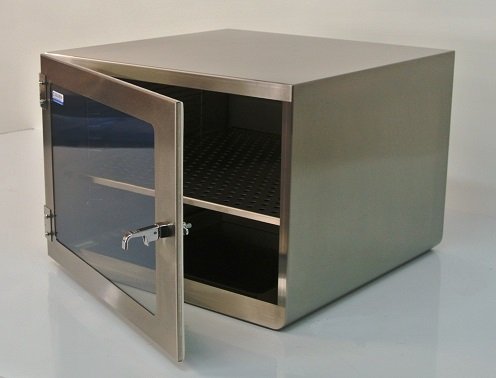
A desiccator cabinet is a sealed storage unit designed to maintain a low-humidity environment. When constructed from stainless steel, it offers additional durability, corrosion resistance, and long-term reliability.
Unlike basic storage containers, a desiccator cabinet actively controls moisture levels, ensuring that your items remain dry even in humid conditions. If you’re looking for a reliable solution, explore precision humidity control with a Stainless Steel Desiccator Cabinet for laboratory moisture protection.
How Moisture Enters and Affects Materials
Before understanding prevention, it’s important to know how moisture causes damage:
- Airborne humidity seeps into storage areas
- Temperature changes create condensation
- Frequent handling introduces moisture from the environment
- Poor sealing allows continuous humidity exchange
This can lead to oxidation, microbial growth, degradation of chemicals, and inaccurate experimental outcomes. You need a system that actively blocks and removes moisture—not just slows it down.
Key Ways a Stainless Steel Desiccator Cabinet Prevents Moisture
Airtight Sealing Mechanism
When you use a desiccator cabinet, the first line of defense is its airtight construction. High-quality cabinets feature tight door seals and latches that prevent external air from entering.
This means:
- Minimal humidity infiltration
- Stable internal conditions
- Reduced risk of contamination
You get a controlled environment where external weather or lab conditions don’t interfere.
Desiccant Integration
Inside the cabinet, desiccants such as silica gel or molecular sieves actively absorb moisture from the air. These materials continuously pull water vapor out, lowering humidity levels.
As a user, you benefit from:
- Consistent dryness
- Passive moisture control without electricity (in basic models)
- Easy replacement or regeneration of desiccants
This simple but effective method ensures that moisture is removed rather than just contained.
Vacuum or Nitrogen Purge Options
Advanced cabinets offer vacuum sealing or nitrogen purging systems. If you’re dealing with extremely sensitive materials, this is where performance increases significantly.
- Vacuum systems remove air (and moisture) entirely
- Nitrogen purge systems replace humid air with dry inert gas
This creates an ultra-low humidity environment ideal for:
- Electronics
- Pharmaceuticals
- Precision optics
Corrosion-Resistant Stainless Steel Construction
You might wonder why stainless steel matters. The material itself plays a critical role in moisture prevention.
- It resists rust and corrosion
- It doesn’t react with stored chemicals
- It maintains structural integrity over time
This ensures that your cabinet doesn’t become a source of contamination or moisture buildup. For high-performance storage solutions, consider sourcing from a trusted provider like advanced laboratory storage solutions by CleaTech LLC for contamination control.
Controlled Internal Environment
Many modern cabinets include humidity indicators or digital controls. This allows you to monitor and adjust conditions based on your requirements.
With this level of control, you can:
- Maintain specific humidity ranges
- Prevent over-drying or under-drying
- Ensure compliance with lab standards
You stay in control rather than guessing environmental conditions.
Reduced Exposure During Access
Frequent opening of storage units can introduce moisture. Desiccator cabinets are designed to minimize this impact.
Features include:
- Quick-seal doors
- Transparent panels for visibility
- Compartmentalized storage
This means you access what you need without disrupting the entire environment.
Practical Tips to Maximize Moisture Protection
To get the most out of your cabinet, follow these actionable steps:
- Pre-dry items before placing them inside
- Limit door opening time to reduce humidity exposure
- Regularly check desiccant condition and replace or recharge as needed
- Monitor humidity levels using built-in or external sensors
- Avoid overloading to ensure proper airflow
These small habits significantly improve performance and longevity.
When Should You Use a Stainless Steel Desiccator Cabinet?
You should consider using one if you work with:
- Hygroscopic chemicals
- Sensitive lab samples
- Electronic components
- Optical equipment
- Pharmaceutical materials
If moisture control is critical to your outcomes, this isn’t optional—it’s essential.
Choosing the Right Cabinet for Your Needs
Not all cabinets are the same. When selecting one, focus on:
- Size and capacity
- Type of moisture control (desiccant, vacuum, nitrogen)
- Build quality and sealing efficiency
- Monitoring features
- Ease of maintenance
If you’re unsure which configuration fits your setup, it’s best to contact us today for customized desiccator cabinet solutions and expert guidance.
Frequently Asked Questions
How low can humidity go inside a desiccator cabinet?
Depending on the model, humidity can drop below 10% RH, and even lower with vacuum or nitrogen systems.
How often should desiccants be replaced?
It depends on usage and environmental conditions. Typically, you should check them weekly and regenerate or replace them when saturated.
Is stainless steel better than plastic desiccators?
Yes, stainless steel offers superior durability, chemical resistance, and long-term performance, especially in demanding lab environments.
Can I store electronics in a desiccator cabinet?
Absolutely. These cabinets are ideal for preventing moisture-related damage like corrosion and short circuits.
Do desiccator cabinets require power?
Basic desiccant-based models do not. However, advanced versions with digital controls, vacuum systems, or nitrogen purging may require power.
How do I know if the cabinet is working properly?
Use built-in humidity indicators or external hygrometers to monitor internal conditions consistently.
Final Thoughts
When you rely on moisture-sensitive materials, you can’t afford guesswork. A stainless steel desiccator cabinet gives you a controlled, reliable, and efficient way to eliminate humidity risks. By combining airtight sealing, active moisture absorption, and durable construction, it ensures that your materials stay protected—no matter the external conditions.
Investing in the right cabinet doesn’t just preserve your materials—it safeguards the accuracy, safety, and success of your work.