When you need rapid antibody capture, every step in your purification workflow matters. The right magnetic bead system can reduce handling time, simplify separation, and support consistent recovery. By evaluating binding capacity, particle behavior, antibody compatibility, and workflow requirements, you can choose a bead format that fits your application without adding unnecessary processing steps.
Start With Your Separation Requirements
Before selecting Magnetic Beads Protein A, define what you need from the separation. Consider your sample volume, antibody concentration, expected recovery, processing time, and downstream application. A small immunoprecipitation workflow may require different bead characteristics than a larger antibody purification process.
You should also determine whether your priority is speed, recovery, purity, or a combination of these factors. Establishing measurable requirements first makes it easier to compare available bead formats and avoid choosing solely by price or particle size.
Evaluate Protein A Binding Performance
Protein A interacts with the Fc region of many immunoglobulins, making it useful for selective antibody capture. However, binding performance can vary according to antibody species, subclass, sample composition, and experimental conditions.
When evaluating a bead product, check its stated binding capacity and recommended antibody loading range. You should match the bead quantity to the amount of target antibody rather than simply adding excess material. Proper loading can help you maintain efficient capture while avoiding unnecessary reagent consumption.
For applications involving different antibody types, confirm that Protein A provides suitable affinity for your specific immunoglobulin. If your antibody has limited Protein A interaction, another affinity ligand may be more appropriate.
Consider Particle Size and Magnetic Response
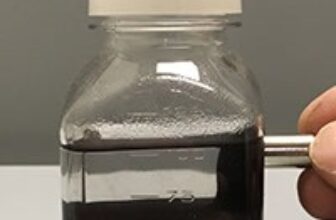
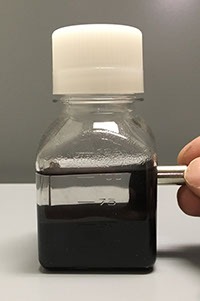
Fast separations depend on more than binding chemistry. Magnetic bead characteristics also influence how quickly you can collect particles from a sample.
You should look for beads that provide efficient magnetic response while remaining well dispersed during incubation. Rapid magnetic collection can shorten separation steps and make washing easier. At the same time, particles should remain manageable during mixing so that antibodies have sufficient access to the binding surface.
A balanced combination of magnetic responsiveness, suspension behavior, and surface accessibility can make the workflow easier to handle.
Check Surface Chemistry
The bead surface determines how Protein A is presented and how effectively antibodies can interact with the ligand. Consistent surface chemistry is important when you need reproducible capture between samples.
Review the manufacturer’s specifications for ligand coupling, binding characteristics, storage conditions, and recommended buffers. You should also consider whether the bead chemistry is compatible with your sample matrix.
Complex samples can contain proteins and other components that interfere with affinity capture. Selecting a suitable bead surface and maintaining appropriate buffer conditions can help limit unwanted interactions.
Match the Beads to Your Workflow
One of the biggest advantages of magnetic separation is workflow simplicity. Instead of transferring a sample through a packed column, you can capture the target on suspended particles and collect the beads magnetically.
For rapid workflows, consider how many handling steps are required. A practical process may include:
- Add Protein A magnetic beads to the prepared sample.
- Mix the beads with the sample for the required binding period.
- Apply a magnetic field to collect the beads.
- Remove the unbound material.
- Wash the beads using a suitable buffer.
- Elute the captured antibody when required.
Reducing unnecessary transfers can lower handling time and help minimize sample loss.
Compare Recovery and Purity
Fast separation should not come at the expense of product quality. You should evaluate both antibody recovery and purity when comparing bead systems.
Run controlled tests using the same sample volume, antibody concentration, bead amount, incubation conditions, and wash procedure. Then compare the amount of antibody recovered and assess sample purity using an appropriate analytical method.
If recovery is low, investigate bead loading, binding time, pH, ionic strength, and antibody compatibility before concluding that the bead product is unsuitable.
Consider Reproducibility
A bead system should perform consistently across repeated experiments. Reproducibility becomes especially important when you are processing multiple samples or developing a standardized laboratory protocol.
Record variables such as bead quantity, sample-to-bead ratio, incubation duration, mixing conditions, wash volume, and elution conditions. Keeping these factors consistent makes it easier to identify the source of performance differences.
You can also conduct small-scale comparisons before committing to a larger workflow. This approach allows you to evaluate performance while limiting reagent use.
Choose a Supplier With Application Support
Product specifications are useful, but application guidance can also help you make a practical choice. Lytic Solutions, LLC provides molecular biology tools and affinity reagents that can support protein and antibody workflows.
When selecting Magnetic Beads Protein A, review the product specifications alongside your experimental requirements. If you need help determining which bead format fits your workflow, you can Contact us today to discuss your application.
FAQ: Magnetic Beads Protein A
What are Magnetic Beads Protein A used for?
Magnetic Beads Protein A are commonly used to capture antibodies through Protein A affinity interactions, supporting rapid purification, immunoprecipitation, and related antibody workflows.
How do Magnetic Beads Protein A speed up separations?
They allow you to collect antibody-bound particles with a magnetic field, reducing the need for centrifugation or packed-column processing and simplifying sample handling.
How do you select the right bead amount?
You should consider the antibody concentration, sample volume, and bead binding capacity. Testing different bead-to-sample ratios can help establish an efficient loading condition.
Does antibody type affect Protein A binding?
Yes. Protein A affinity varies among antibody species and subclasses. You should confirm compatibility with your specific immunoglobulin before starting a purification workflow.
Can Protein A magnetic beads be used for immunoprecipitation?
Yes. Protein A magnetic beads can support antibody-based immunoprecipitation when the antibody and sample conditions are compatible with Protein A binding.
Why is magnetic response important?
A strong and consistent magnetic response can help you collect beads efficiently, remove liquid cleanly, and reduce separation time during repeated wash and capture steps.
What affects antibody recovery from magnetic beads?
Recovery can depend on antibody compatibility, bead capacity, binding conditions, wash conditions, elution chemistry, and the amount of target present in the sample.
How can you reduce nonspecific binding?
Use suitable buffers, appropriate washing conditions, controlled bead quantities, and validated sample preparation procedures to help reduce unwanted interactions.
Should you test beads before scaling your workflow?
Yes. A small-scale comparison can help you evaluate binding capacity, recovery, purity, handling time, and reproducibility before adopting the beads for larger workflows.
Where can you find Protein A magnetic bead solutions?
You can review Magnetic Beads Protein A options from Lytic Solutions, LLC and compare their characteristics with your antibody separation requirements.