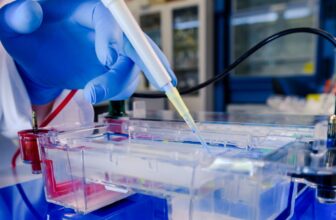
Selecting the right column loading conditions is essential for achieving consistent antibody recovery, strong binding performance, and reliable purification results. When you purify antibodies using Protein G affinity chromatography, loading conditions directly influence how effectively immunoglobulins interact with the immobilized Protein G ligand. Incorrect sample preparation, excessive loading, unsuitable buffer composition, or inappropriate flow rates can reduce binding efficiency and increase antibody loss during purification.
To establish an effective purification workflow, you need to evaluate your sample characteristics, antibody concentration, column capacity, pH, conductivity, and operating conditions. By controlling these parameters, you can improve antibody capture, maintain product quality, and achieve reproducible results across purification batches.
1. Understand Your Antibody Sample Before Column Loading
Before selecting column loading conditions, examine the composition and quality of your starting material. Antibody-containing samples may include cell culture supernatants, serum, ascites fluid, or clarified lysates. Each sample type contains different levels of proteins, salts, lipids, and other impurities that can affect Protein G binding.
Start by evaluating:
Antibody concentration: Estimate the amount of target immunoglobulin available for capture.
Sample volume: Determine whether the sample fits within the recommended loading range.
Protein concentration: Identify potential competition from contaminating proteins.
Sample clarity: Remove suspended particles and aggregates that could obstruct the column.
Buffer composition: Check whether salts, detergents, or additives interfere with binding.
Clarifying and filtering your sample before loading helps prevent pressure fluctuations and unnecessary column contamination.
2. Determine the Appropriate Column Binding Capacity
Dynamic binding capacity is an important consideration when establishing Protein G column loading conditions. It represents the amount of antibody a chromatography column can bind under defined operating conditions.
You should avoid loading your entire antibody sample based only on the manufacturer’s maximum binding capacity. Static binding capacity and dynamic binding capacity are not interchangeable because actual performance depends on flow rate, residence time, sample properties, and operating conditions.
Use the following approach:
- Review the manufacturer’s recommended binding capacity.
- Determine your estimated antibody quantity.
- Evaluate the column’s dynamic binding capacity.
- Select a conservative initial loading amount.
- Monitor antibody breakthrough during purification.
If you overload the column, unbound antibodies may appear in the flow-through, reducing overall recovery. Maintaining an appropriate loading margin helps improve capture consistency.
3. Select a Suitable Loading Buffer pH
Buffer pH influences the interaction between Protein G and antibody molecules. Protein G binds the Fc region of several immunoglobulin classes and subclasses, although binding strength varies depending on antibody species and subclass.
For many Protein G affinity purification workflows, phosphate-based binding buffers around neutral pH are commonly used. A starting range of approximately pH 7.0–7.4 is often suitable, provided it is compatible with the specific resin and antibody.
When selecting your buffer:
- Maintain a stable pH throughout sample loading.
- Avoid extreme pH conditions unless specifically validated.
- Check whether sample additives affect binding.
- Confirm buffer compatibility with your Protein G resin.
- Evaluate antibody stability under the selected conditions.
If your sample has an unsuitable pH, perform buffer exchange or dilution before loading. This helps establish consistent binding conditions and minimizes unwanted interactions.
4. Control Buffer Conductivity and Salt Concentration
Conductivity reflects the concentration of dissolved ions in your sample. Excessive salt or incompatible buffer components can influence protein interactions and change purification performance.
You should compare sample conductivity with the recommended binding buffer conductivity before loading the column.
Consider these practical steps:
- Measure the conductivity of your starting sample.
- Compare it with the equilibration buffer.
- Dilute samples containing excessive salt when appropriate.
- Use buffer exchange if sample composition is unsuitable.
- Maintain consistent conductivity across purification batches.
Avoid making unnecessary changes to salt concentration without testing their effects on antibody binding. Your goal should be to maintain conditions that support Protein G interactions while preserving antibody solubility and stability.
5. Optimize Sample Loading Flow Rate
Flow rate determines how quickly your antibody sample passes through the chromatography column. If the sample moves too quickly, antibodies may not have sufficient contact time with the immobilized ligand.
This can reduce binding efficiency and increase antibody breakthrough.
To establish a suitable loading flow rate:
- Check the manufacturer’s recommended operating range.
- Begin with a moderate flow rate.
- Monitor column pressure during sample application.
- Collect and analyze flow-through fractions.
- Adjust the flow rate according to binding performance.
Residence time is particularly important when processing samples with high antibody concentrations or complex compositions.
A slower loading rate may improve capture in certain workflows, but unnecessarily slow processing can reduce productivity. Determine the best operating point through experimental evaluation.
6. Match Sample Loading Volume to Column Dimensions
Sample volume influences the duration of antibody exposure to the affinity matrix and the total processing time.
A large sample volume may be suitable for a column with sufficient capacity, but excessive loading can increase processing time and expose the resin to more contaminants.
Evaluate your sample-to-column relationship by considering:
- Total antibody mass.
- Column bed volume.
- Resin binding capacity.
- Sample concentration.
- Expected processing time.
If your sample volume is large, consider concentrating the antibody-containing material or processing it through multiple loading cycles.
Maintain consistent loading volumes when comparing purification batches so that you can identify meaningful differences in recovery and purity.
7. Monitor Antibody Breakthrough During Loading
Monitoring breakthrough helps determine whether your selected loading conditions support effective antibody capture.
Collect small flow-through fractions during sample application and analyze them using an appropriate protein assay, ELISA, or SDS-PAGE.
A rising antibody concentration in the flow-through may indicate:
- Column overloading.
- Excessive loading flow rate.
- Insufficient residence time.
- Incompatible buffer conditions.
- Reduced resin binding activity.
Use these observations to adjust sample loading mass, flow rate, or buffer composition.
Breakthrough analysis is especially valuable when scaling up purification processes because it provides practical information about actual column performance.
8. Establish Reproducible Column Loading Conditions
Once you identify suitable conditions, document them in a standardized purification protocol.
Record the following parameters:
| Parameter | What You Should Monitor |
| Buffer pH | Binding compatibility |
| Conductivity | Sample and buffer consistency |
| Antibody concentration | Total target protein |
| Sample volume | Loading requirements |
| Loading flow rate | Residence time |
| Column capacity | Antibody capture limits |
| Column pressure | Flow performance |
| Breakthrough | Binding efficiency |
Repeatability depends on maintaining consistent sample preparation, column equilibration, loading conditions, and resin handling.
You should also evaluate antibody recovery and purity after elution to confirm that your selected loading conditions meet project requirements.
9. Choose Reliable Protein G Purification Materials
Your affinity resin plays an important role in purification performance. Resin quality, ligand accessibility, matrix characteristics, and binding capacity can influence antibody capture and recovery.
Selecting appropriate Protein G Column Antibody Purification solutions helps you establish suitable affinity chromatography workflows for different antibody samples.
When evaluating purification materials, consider:
- Protein G ligand binding characteristics.
- Resin capacity and chemical compatibility.
- Mechanical stability during repeated processing.
- Recommended cleaning and storage conditions.
- Compatibility with your target antibody species.
At Lytic Solutions, LLC, you can explore molecular biology tools and affinity reagents designed for protein purification and related laboratory applications.
For assistance selecting suitable purification materials for your workflow, Contact us today.
Conclusion
Selecting appropriate column loading conditions for Protein G antibody purification requires careful evaluation of sample composition, antibody concentration, binding capacity, buffer pH, conductivity, flow rate, and loading volume.
By monitoring antibody breakthrough and documenting operating parameters, you can identify conditions that support efficient capture and reproducible purification. Consistent sample preparation and appropriate resin selection further help maintain antibody recovery and product quality across purification batches.
Frequently Asked Questions
What are the ideal loading conditions for Protein G antibody purification?
Suitable conditions depend on the antibody, resin, and sample composition. A near-neutral pH, compatible conductivity, clarified sample, and validated flow rate provide a practical starting point.
Why is column binding capacity important during Protein G purification?
Binding capacity determines how much antibody the resin can capture under specified conditions. Exceeding its effective capacity can cause antibody breakthrough and reduce purification recovery.
What pH should you use for Protein G column loading?
A pH around 7.0–7.4 is a common starting range for many Protein G workflows. Always confirm compatibility with your resin and target antibody.
How does loading flow rate affect antibody purification?
Excessively high flow rates can reduce antibody-resin contact time, potentially decreasing capture efficiency. Testing different flow rates helps establish suitable residence time.
Why should you clarify samples before Protein G column loading?
Clarification removes suspended particles and aggregates that can obstruct the chromatography matrix, increase backpressure, and interfere with consistent sample processing.
Can high salt concentrations affect Protein G antibody binding?
Yes. High salt concentrations or incompatible sample additives may influence binding performance. Evaluate sample conductivity and adjust buffer composition when necessary.
How can you identify Protein G column overloading?
Analyze flow-through fractions for unbound antibodies. Increasing antibody concentrations during loading can indicate that the column is approaching or exceeding its effective binding capacity.
What is the relationship between sample volume and column size?
Sample volume influences processing time and loading requirements. You should consider antibody mass, resin capacity, sample concentration, and column dimensions when selecting a suitable loading volume.
How can you improve reproducibility in Protein G antibody purification?
Standardize sample preparation, buffer pH, conductivity, loading flow rate, sample volume, and column equilibration. Documenting these parameters helps maintain consistent purification results.
How do you select the right Protein G affinity chromatography resin?
Compare ligand characteristics, dynamic binding capacity, matrix stability, chemical compatibility, and recommended operating conditions to identify a resin suitable for your antibody purification requirements.