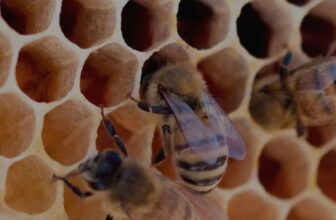
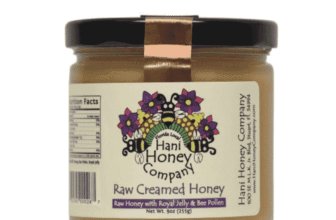
I recently tried honey from Hani Honey Company, and I also had the chance to taste their raw honeycomb. Their variety amazed me, and I wanted to share my personal experience. Honey is a staple in my kitchen, but honeycomb offered a unique texture and flavor I hadn’t experienced before.
Hani Honey Company produces pure, natural honey sourced directly from beekeepers. They emphasize sustainable practices and quality control. Their products include several specialty varieties like Bee Pollen Honey and Tupelo Honey. You can explore more hanihoneycompany.com.
Benefits of Honey
Honey isn’t just a sweetener. It contains natural antioxidants that help fight free radicals. I found it soothing in tea during cold mornings. Bee Pollen Honey is particularly nutrient-rich, offering extra vitamins and minerals that boost energy.
Gallberry Honey and Orange Blossom Honey have lighter, floral flavors. I liked using them on toast or in baking, where the subtle taste comes through without overpowering recipes. Honey also has antibacterial properties, which make it useful for minor cuts or sore throats.
Saw Palmetto Honey is another interesting variety. It’s less common but adds a unique, earthy sweetness to foods. Tupelo Honey stands out for its smooth texture and mild flavor. It’s ideal for those who prefer less overpowering sweetness. Wildflower Honey is versatile and robust, perfect for everyday use.
Experiencing Honeycomb
Honeycomb is honey in its raw, waxy form. When I tried it, the texture was chewy and satisfying. Honeycomb releases honey slowly, so each bite is rich and flavorful. I liked pairing it with cheese or fresh fruit for a natural, sweet treat.
Combining honeycomb with any of Hani Honey Company’s varieties made the experience even better. Spreading Tupelo Honeycomb on warm bread melts it slightly, creating a luxurious flavor. Bee Pollen Honeycomb gave me a subtle nutty taste with each chew.
Honeycomb also contains pollen, which can help with immunity. It’s fun to eat but can be sticky, so it’s best when you have time to enjoy it slowly.
Pros and Cons
Honey is versatile, natural, and a healthier alternative to refined sugar. It’s easy to store and lasts a long time. But it’s still calorie-dense, so moderation is important. Specialty honeys like Orange Blossom or Gallberry offer unique flavors but are pricier.
Honeycomb offers a one-of-a-kind experience. The chewiness and texture make it more than just a sweetener. On the downside, it’s messy, less convenient in recipes, and may not appeal to everyone.
Tips for Using Honey and Honeycomb
Use honey in tea, smoothies, yogurt, or oatmeal for natural sweetness. In baking, replace sugar with honey in a 1:1 ratio but reduce other liquids slightly. Gallberry or Wildflower Honey adds a subtle floral note to desserts, while Tupelo Honey works well in marinades.
Honeycomb can be eaten directly or paired with fruit, toast, or cheese boards. Slightly warming it releases the honey, making it more flavorful. Bee Pollen Honeycomb adds extra nutrients, making it a good snack for energy. Always store honey in a cool, dry place and honeycomb in the fridge for freshness.
Personal Verdict
After trying multiple varieties, I can confidently say honey and honeycomb bring different joys. Honey is practical and versatile, while honeycomb is unique and indulgent. Hani Honey Company’s products—Bee Pollen, Gallberry, Orange Blossom, Saw Palmetto, Tupelo, and Wildflower Honey—are pure and flavorful. It’s clear they focus on quality and sustainability.
If you’re curious about specialty honeys or want a raw honey experience, Hani Honey Company is worth trying. Their attention to natural ingredients makes a noticeable difference in taste and texture. I’ll definitely keep a selection of these honeys and honeycomb in my kitchen for daily use and special treats.
Highlights:
Honey varieties like Bee Pollen, Gallberry, and Tupelo provide unique flavors and health benefits. Honeycomb adds texture and slow-release sweetness. Hani Honey Company delivers quality products that stand out for purity and taste.