As someone who recently completed the process to get my Maryland Concealed Weapon Permit, I can tell you—it’s not a casual undertaking. Maryland is considered a “may-issue” state, which means the authorities have discretion in approving or denying permits, even if you meet all the qualifications. But once you understand the steps and meet the requirements, the process becomes manageable. Here’s what I learned, and what you need to know if you’re planning to carry legally in Maryland.
Understanding the Basics
A Maryland Concealed Weapon Permit is officially known as a Wear and Carry Permit. This permit allows a private citizen to carry a concealed handgun on their person. However, the state maintains strict regulations and a rigorous application process, designed to ensure only responsible, trained individuals are allowed this right.
The agency responsible for overseeing this process is the Maryland State Police (MSP), and they maintain detailed guidance through the MSP Firearms Training portal. Before I applied, I spent considerable time reviewing everything on the MSP’s website, and I recommend you do the same.
Step 1: Meet Eligibility Requirements
First and foremost, you must meet the eligibility requirements. These include:
- Age: You must be at least 21 years old (or 18 if applying for employment-related reasons, such as security work).
- Residency: You do not have to be a Maryland resident, but Maryland residents and non-residents follow the same procedure.
- Background Check: You must pass a thorough background check that includes fingerprinting and criminal history.
- Good Moral Character: This is somewhat subjective but generally refers to a clean record, free from serious misdemeanors or felony charges.
- Training: You must complete a state-approved firearms training course, usually through MSP Firearms Training–certified instructors.
When I began the process, I had to ensure I met every one of these points. It’s not just about having no felonies; you also need to be viewed as a responsible citizen capable of carrying a firearm safely and lawfully.
Step 2: Complete Firearms Training
One of the most critical components is firearms training. Maryland mandates at least 16 hours of training by a certified instructor, and this training must include:
- Classroom Instruction: Covering topics like Maryland law on deadly force, handgun safety, and conflict de-escalation.
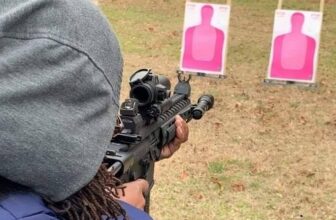
- Live-Fire Training: You must demonstrate safe handling and proficiency with a handgun on a live firing range.
When I enrolled in an MSP Firearms Training-certified course, it was a full weekend commitment. We spent Day 1 in a classroom and Day 2 on the range. The instructors were experienced, often with law enforcement or military backgrounds, and they didn’t sugarcoat the responsibilities of concealed carry.
Step 3: Complete Fingerprinting and Background Check
Maryland requires all permit applicants to undergo Livescan fingerprinting, which gets submitted directly to the Maryland State Police. Your background is checked against both state and federal databases.
Make sure you do this before submitting your application. I made the mistake of scheduling mine too late and had to delay my submission.
Step 4: Prepare Your Documentation
The online application asks for a considerable amount of information, including:
- Personal details (address, employment, etc.)
- Details on any previous arrests or legal issues
- Proof of firearms training (a scanned copy of your certificate)
- Passport-style photo
- Explanation of your reason to carry (this used to be more strictly enforced, but recent legal changes have made “self-defense” a more accepted justification)
Be truthful and thorough. Any omissions or discrepancies could lead to delays or denial.
Step 5: Submit the Application
Applications are submitted online through the Maryland State Police Licensing Portal. The process is digital, but don’t expect instant results. It took about 60 days for me to get a response. You’ll also pay a $75 application fee (as of this writing), and the permit, once approved, is valid for two years initially, then three years for renewals.
Step 6: Wait for Approval (and Be Ready for Follow-Up)
Once you submit your application, the MSP will review your case. They might contact your references, employer, or even request additional documentation. I received a follow-up email asking for clarification on my training dates, so be sure all your records are accurate and readily available.
Renewal and Continuing Education
Once granted, your Maryland Concealed Weapon Permit isn’t permanent. To renew, you must complete 8 hours of retraining with another live-fire component. You should also stay current on changes to Maryland’s firearm laws, which can evolve over time.
Pro Tips from My Experience
- Choose a reputable training provider listed under the MSP Firearms Training portal. Don’t go with the cheapest option—go with the most thorough and reviewed.
- Keep a copy of everything—training certificates, fingerprint receipts, your submitted application—digitally and physically.
- Practice regularly. Just because you passed the live-fire portion doesn’t mean you’re ready for real-world scenarios. Consistent practice builds confidence and skill.
- Know the law inside and out. Maryland has strict regulations about where and when you can carry. Certain public places, government buildings, and private businesses may prohibit firearms—even if you’re licensed.
Final Thoughts
Securing a Maryland Concealed Weapon Permit is not just about carrying a handgun; it’s about demonstrating that you can be a responsible member of the community who understands the gravity of that privilege. The application process is detailed, the training is intensive, and the scrutiny is real—but it should be. After all, we’re talking about carrying a deadly weapon in public spaces.
If you’re considering this path, I recommend starting with the MSP Firearms Training site to find approved courses and stay informed on legal requirements. Once you’re prepared and informed, the process becomes less intimidating and more empowering.
If you’ve got questions about the training or application process, feel free to contact us—I’m more than happy to help point you in the right direction based on my own experience navigating Maryland’s complex firearm laws.