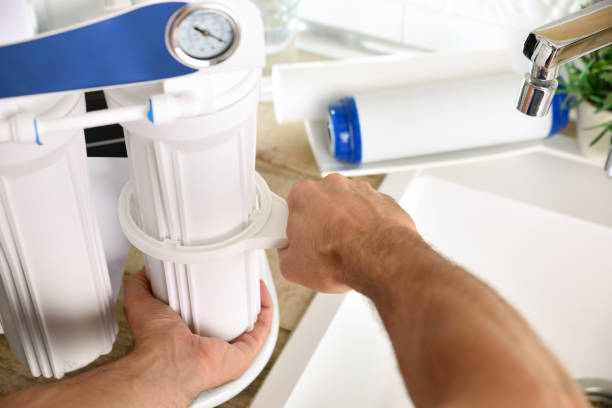
When it comes to ensuring clean, safe water throughout your home, choosing the best whole house water filter is a critical decision. Whether you rely on city water or well water, contaminants like sediment, chlorine, heavy metals, and harmful bacteria can impact your water’s quality and, ultimately, your health. The good news is, with the right filter, you can have crystal-clear water flowing from every faucet in your house. Let’s dive into actionable tips, relatable examples, and advice to help you pick the perfect solution for your household.
Why Do You Need a Whole House Water Filter?
Imagine turning on your kitchen tap to fill a glass, only to notice an odd smell or murky appearance. Or perhaps your shower leaves your skin feeling dry and irritated. These are telltale signs that your water may contain impurities. A whole house water filter treats water as it enters your home, ensuring it’s clean for drinking, cooking, bathing, and even washing clothes.
For households relying on well water, this becomes even more important. Well water often contains sediments, minerals, and contaminants like iron, sulfur, and bacteria. Installing the best whole house water filter for well water can protect your pipes, appliances, and, most importantly, your family’s health
How to Choose the Right Whole House Water Filter
Here are key factors to consider:
Understand Your Water’s Needs:
Start by testing your water. A simple home water testing kit or professional lab analysis can identify what contaminants are present.
For well water users, iron, manganese, and bacteria are common culprits, while city water often has chlorine and sediments.
Filter Type Matters:
Sediment Filters: Ideal for trapping sand, dirt, and rust. Perfect for well water.
Carbon Filters: Excellent at removing chlorine, pesticides, and unpleasant odors.
UV Filters: A must for killing bacteria and viruses, especially in well water systems.
Flow Rate:
Ensure the filter’s flow rate matches your household’s water usage. A family of four, for example, will need a filter capable of handling 10-15 gallons per minute.
Maintenance Requirements:
Some filters need frequent cartridge replacements, while others, like backwashing systems, require minimal upkeep. Choose what aligns with your lifestyle.
Budget:
Whole house water filters vary widely in cost, from affordable sediment filters to premium multi-stage systems. Consider both upfront costs and long-term maintenance expenses.
Tips for Maintaining Your Whole House Water Filter
Once you’ve installed the best whole house water filter, proper maintenance is essential to keep it functioning optimally. Here are some practical tips:
Follow Manufacturer Guidelines:
Always stick to the recommended maintenance schedule for replacing cartridges or cleaning the system.
Monitor Water Pressure:
A drop in water pressure might indicate your filter is clogged and needs servicing.
Inspect for Wear and Tear:
Check for cracks, leaks, or other issues regularly, especially for systems exposed to outdoor elements.
Flush the System:
Periodically flush your filter to remove buildup, ensuring consistent performance.
Common Challenges and How to Address Them
Even with the best whole house water filter, you might encounter some issues. Here’s how to tackle them:
Hard Water Problems:
While a standard filter removes contaminants, hard water may still leave mineral deposits. Consider adding a water softener for complete protection.
Foul Smells from Well Water:
If your well water smells like rotten eggs, a filter with advanced oxidation or a dedicated sulfur filter can help.
Cloudy or Discolored Water:
A sediment filter should resolve this issue. For stubborn discoloration from iron or manganese, a specialized iron removal system may be necessary.
Where to Install Your Whole House Water Filter
Location plays a key role in the effectiveness of your water filter:
Main Water Line:
The filter should be installed where water enters your home, before it splits into separate plumbing lines.
Before Appliances:
Ensure water is filtered before reaching appliances like water heaters, washing machines, and dishwashers to prevent damage from sediments and minerals.
Easily Accessible Area:
Choose a spot that allows for easy maintenance and cartridge replacements.
Real-Life Examples of Whole House Water Filters
For City Water:
A family in a suburban home noticed their tap water had a strong chlorine odor. They installed a carbon-based whole house water filter, and the issue was resolved. Their water now tastes fresh, and their skin feels softer after showers.
For Well Water:
A couple living in the countryside struggled with reddish-brown water staining their laundry and sinks. After installing a multi-stage well water filter with a sediment and iron filter, their water became clear and stain-free.
Takeaway: Prioritize Your Home’s Water Quality
Investing in the best whole house water filter is a step toward better health, cleaner appliances, and peace of mind. Whether you’re addressing chlorine in city water or battling well water’s specific challenges, there’s a filter solution tailored to your needs. By testing your water, choosing the right system, and keeping up with maintenance, you’ll ensure clean, safe water flows through every corner of your home.