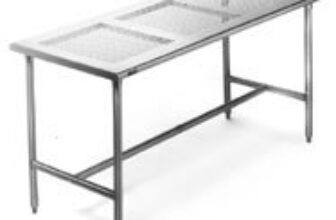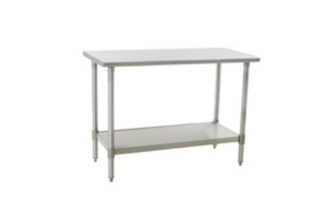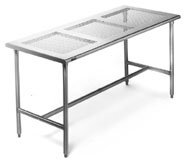
In modern laboratories, manufacturing facilities, and research environments, productivity depends on more than skilled professionals and advanced equipment. The workspace itself plays a major role in determining how efficiently tasks are completed. A well-designed workstation helps you maintain organization, reduce unnecessary movement, protect sensitive materials, and improve overall operational consistency. By choosing the right cleanroom setup, you can create a controlled environment where precision and productivity work together.
How Do Cleanroom Workstations Improve Laboratory Productivity?
A cluttered workspace can slow down processes and increase the chances of mistakes. Cleanroom workstations are designed to provide structured, contamination-controlled areas where you can perform critical tasks with greater accuracy. These workstations support organized workflows by keeping tools, equipment, and materials within easy reach.
When you use a properly designed workstation, you spend less time searching for supplies and more time focusing on important operations. This improved organization helps reduce workflow interruptions and allows teams to complete procedures faster while maintaining quality standards.
For industries such as pharmaceuticals, electronics, biotechnology, and medical manufacturing, efficient workspaces are essential for achieving consistent results. A customized cleanroom workstation helps you create an environment that supports both productivity and compliance.
How Does Better Workspace Organization Increase Efficiency?
Workflow efficiency depends heavily on how easily you can move through daily processes. Poor workstation layouts often create unnecessary steps, leading to wasted time and reduced productivity. Cleanroom workstations help solve this issue by providing dedicated spaces for specific tasks.
With an optimized workstation design, you can arrange equipment according to your workflow requirements. Frequently used tools can be positioned closer to operators, while storage areas can be organized to prevent unnecessary movement. This approach improves ergonomics and allows employees to complete tasks with fewer disruptions.
A well-planned workstation layout also helps multiple team members work together more effectively. When every item has a designated location, employees can follow standardized procedures and maintain a cleaner, more efficient working environment.
How Do Cleanroom Workstations Support Contamination Control?
Maintaining cleanliness is one of the biggest challenges in controlled environments. Even small particles or contaminants can affect product quality in sensitive applications. Cleanroom workstations are designed to support contamination prevention by offering surfaces and structures that are easy to clean and maintain.
Many workstations are built with durable materials that resist corrosion, chemical exposure, and particle accumulation. Their smooth designs reduce areas where contaminants can collect, making routine cleaning easier and more effective.
By integrating reliable cleanroom workstations for controlled laboratory environments into your facility, you can create a more organized workspace that supports cleanliness requirements while improving operational efficiency.
Why Are Ergonomic Designs Important for Workflow Performance?
Employee comfort directly affects productivity. When operators work for long periods in uncomfortable positions, fatigue can reduce concentration and increase the possibility of errors. Cleanroom workstations with ergonomic features help you create a safer and more efficient working environment.
Adjustable heights, accessible storage options, and practical layouts allow workers to perform tasks comfortably. Improved ergonomics reduces physical strain and helps maintain consistent performance throughout long work periods.
A workstation designed around human movement also supports faster task completion. When employees can access materials easily and work in comfortable positions, they can maintain higher productivity levels without compromising accuracy.
How Can Customized Workstations Improve Process Control?
Every cleanroom operation has unique requirements. A workstation designed for one application may not meet the needs of another. Customization allows you to select features that match your specific workflow, equipment requirements, and industry standards.
You can optimize workstation configurations by considering factors such as available space, required storage, equipment placement, and cleaning procedures. This flexibility allows your workspace to operate more efficiently while supporting future growth.
Whether you need specialized laboratory furniture, production workstations, or organized assembly areas, selecting the right solution helps you maintain better process control and improve daily operations.
How Do Cleanroom Workstations Reduce Downtime?
Downtime often occurs because of inefficient layouts, poor organization, or difficulty accessing essential tools. A properly planned workstation minimizes these challenges by creating a smoother workflow.
When everything is arranged strategically, employees can complete tasks without frequent interruptions. Reduced movement, improved accessibility, and better organization contribute to faster production cycles and fewer workflow delays.
Reliable workstations also support easier maintenance. Durable construction and simple cleaning procedures help reduce time spent on repairs and workspace preparation.
Why Choose CleaTech LLC for Cleanroom Solutions?
Selecting the right equipment provider is important when designing an efficient controlled environment. CleaTech LLC provides solutions designed to support laboratories, research facilities, and industrial applications.
With properly engineered cleanroom equipment, you can improve workspace organization, maintain contamination control, and enhance productivity. Investing in high-quality workstation solutions helps your facility achieve better efficiency while meeting operational requirements.
If you need guidance selecting the right workstation configuration for your application, you can Contact us today to discuss your cleanroom requirements and find a suitable solution.
Conclusion
Cleanroom workstations are more than simple working surfaces; they are essential tools for improving efficiency, organization, and process reliability. By creating a structured workspace, reducing unnecessary movement, supporting contamination control, and improving ergonomics, these workstations help you achieve better workflow performance.
A carefully designed workstation allows your team to work smarter, maintain higher quality standards, and complete tasks with greater confidence. Whether you operate a laboratory, manufacturing facility, or research environment, investing in the right cleanroom workstation can significantly improve your daily operations.
Frequently Asked Questions
What are cleanroom workstations used for?
Cleanroom workstations provide organized and controlled areas for performing sensitive tasks in laboratories, manufacturing units, and research facilities where cleanliness and precision are important.
How do cleanroom workstations improve efficiency?
They improve efficiency by reducing clutter, organizing tools, minimizing unnecessary movement, and creating a structured workspace that supports faster and more accurate operations.
Are cleanroom workstations easy to maintain?
Yes, most cleanroom workstations are designed with smooth, durable surfaces that make cleaning, maintenance, and contamination control easier.
Can cleanroom workstations be customized?
Yes, cleanroom workstations can be customized based on workspace size, equipment requirements, storage needs, and specific workflow processes.
Which industries use cleanroom workstations?
Industries such as pharmaceuticals, biotechnology, electronics, healthcare, aerospace, and research laboratories commonly use cleanroom workstations for controlled operations.