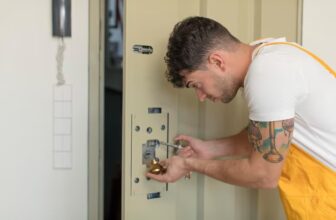
Your restaurant’s back door does more than provide an entrance for deliveries. It protects your inventory, secures employee-only areas, and helps control who enters your business outside customer hours. If you manage a restaurant in Denver, poor back-door key management can create security gaps even when your front entrance has quality locks.
From early-morning deliveries to late-night closing shifts, multiple employees may need access to the same door. Without a clear system, you risk lost keys, unauthorized entry, and confusion during staff changes. Better key management helps you protect your restaurant, simplify daily operations, and maintain accountability.
Why Your Restaurant’s Back Door Deserves More Attention
Your front entrance usually receives the most attention because customers and passersby can see it. The back door, however, often serves as a delivery entrance, employee entrance, and waste-removal exit. That combination makes it an important part of your restaurant’s security plan.
A door that stays unlocked during deliveries, has a worn-out lock, or uses keys shared among too many employees can expose your business to unnecessary risks. You may not notice a problem until a key goes missing, stock disappears, or an unfamiliar person enters a restricted area.
As a restaurant owner, treat your back door as a controlled access point rather than simply another exit. Establish clear rules for locking, unlocking, and issuing keys, and review those rules regularly.
The Hidden Risks of Uncontrolled Keys
Restaurant teams change frequently, and temporary workers, contractors, delivery personnel, and maintenance professionals may all need access at different times. If you distribute keys without recording who receives them, you can quickly lose track of who can enter your building.
Consider what happens when an employee leaves without returning a back-door key. You might collect their uniform and remove their name from the schedule, but their key could still open your door. Similarly, an unmarked spare key stored in an accessible drawer can undermine your other security measures.
A practical solution starts with a written key register. Record each key’s identifier, assigned employee, issue date, and return date. Keep spare keys in a locked location, limit access to authorized managers, and never label keys with your restaurant’s address.
When you need professional guidance, explore commercial locksmith services in Denver to evaluate suitable locks and key-control options for your restaurant.
Build a Reliable Key-Control Routine
You do not need a complicated system to improve security. Start with a simple procedure that every employee can follow consistently.
- Assign keys individually: Give each authorized employee a specific key and record the handover.
- Limit access: Only trained staff members and designated managers should receive back-door keys.
- Check keys at shift changes: Make key return part of your opening, closing, and handover checklists.
- Secure spare keys: Store backups in a locked cabinet accessible only to approved managers.
- Investigate missing keys immediately: Document the incident, assess potential exposure, and decide whether rekeying or lock replacement is necessary.
Consistency matters more than complexity. When your staff understand their responsibilities, you reduce avoidable mistakes without slowing down deliveries or closing procedures.
Rekey Your Locks When Staff Access Changes
Collecting keys from departing employees is essential, but it does not guarantee that every copy has been returned. A former employee might have duplicated a key, or a contractor might still possess one from an earlier job.
If you cannot account for every copy, consider having a qualified locksmith rekey the affected lock. Rekeying changes the lock’s internal configuration so old keys no longer operate it, provided the lock is compatible and the work is completed correctly. You can often retain the existing hardware rather than replacing the entire lock.
A professional assessment can help you determine whether rekeying, repairing a damaged lock, or installing new hardware makes the most sense. APEX Locksmith Denver offers commercial lock rekeying in Denver for businesses that need to restore control after employee turnover or key-related security concerns.
Consider Master Keys and Electronic Access Control
If your restaurant has several entrances, storage rooms, offices, or liquor storage areas, carrying multiple keys can become inconvenient. A master key system can simplify access by allowing designated managers to open multiple approved locks while other employees receive keys with more limited permissions.
For restaurants seeking greater flexibility, electronic access control may also be worth considering. Depending on the system, you can issue individual credentials, restrict access by time, and deactivate credentials when someone leaves. Unlike a traditional key, an electronic credential can often be revoked without rekeying the door.
Neither option replaces sound procedures. You still need authorized users, secure credentials, and a plan for power or system failures. Review your door hardware and daily workflow before choosing a solution. Learn more about commercial access control systems in Denver to explore options for managing entry.
Choose Locks That Match Your Restaurant’s Needs
Restaurant back doors face frequent use, changing weather, and regular deliveries. A lock that works well for a lightly used office door may not suit a busy commercial kitchen or loading area.
Inspect the lock, strike plate, hinges, door closer, and frame for signs of wear. Make sure the door closes securely and latches properly without employees needing to force it. Your security plan should also preserve safe emergency egress and comply with applicable fire and building codes. Never add a lock that could prevent staff from exiting safely during an emergency.
A qualified locksmith can assess your existing hardware and recommend durable commercial-grade options. A Denver Locksmith from APEX Locksmith Denver can help you review lock installation, repair, replacement, and rekeying options for your business.
Make Back-Door Security Part of Your Closing Checklist
Your key-management plan works best when it becomes part of your normal routine. Before closing, assign a staff member to verify that the back door is secured, keys have been returned to their designated location, and no delivery entrance has been left unsecured.
Schedule periodic checks of your key register and review access whenever an employee changes roles or leaves. If a key is lost, do not assume it is harmless simply because the door appears secure. Evaluate who might possess it and whether the lock should be rekeyed.
For Denver restaurant owners, better key management is a practical investment in loss prevention, staff accountability, and smoother operations. APEX Locksmith Denver can help you assess your existing setup and identify improvements suited to your building and workflow.
Frequently Asked Questions
1. Why is back-door key management important for Denver restaurants?
Back-door key management helps you control employee and contractor access, reduce the risk of unauthorized entry, protect inventory, and maintain a consistent closing routine. A documented key policy also makes staff transitions easier to manage.
2. When should you rekey a restaurant’s back-door lock?
Consider rekeying when keys are lost, an employee leaves without returning a key, a contractor’s access ends, or you suspect unauthorized duplication. A locksmith can assess whether rekeying is suitable for your existing lock.
3. Is a master key system suitable for a restaurant?
Yes. A master key system can give managers broader access while limiting employees to designated areas. It is especially useful when your restaurant has separate storage rooms, offices, delivery entrances, or restricted inventory areas.
4. Are electronic access systems better than traditional keys?
Electronic access systems offer convenient credential management, and some provide time-based permissions or entry records. Traditional keys can be simpler and less expensive. The right choice depends on your budget, building, security needs, and operating procedures.
5. How can APEX Locksmith Denver improve restaurant security?
APEX Locksmith Denver provides commercial locksmith solutions, including lock installation, repairs, rekeying, master key systems, and access control. Contact the company to discuss your restaurant’s entry points and request an estimate for suitable security improvements.